
IVORY GREY PROJECT / JOURNAL
IDEAS FOR A CHANGING INDUSTRY.
Essays, research and practical thinking on marketing, AI and the forces reshaping bridal and luxury brands.
ALL / BRIDAL MARKET / MARKETING / AI & SEARCH / FIELD NOTES
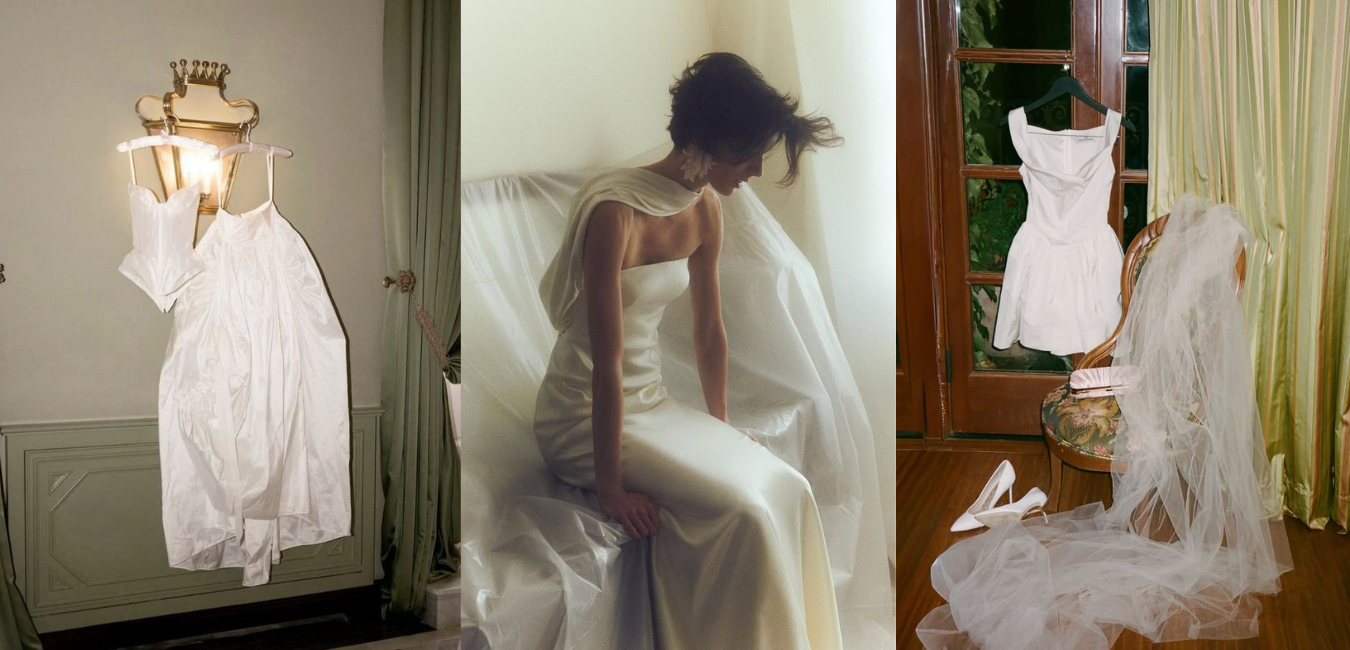
Luxury bridal is global, but the pressures shaping each market are not. In the US, the issue may be conversion; in the UK, real budget compression; in Australia, aesthetic fit; and in parts of Asia, access to the buying channel itself. This post looks at why brands need to diagnose each market differently before deciding how to respond.
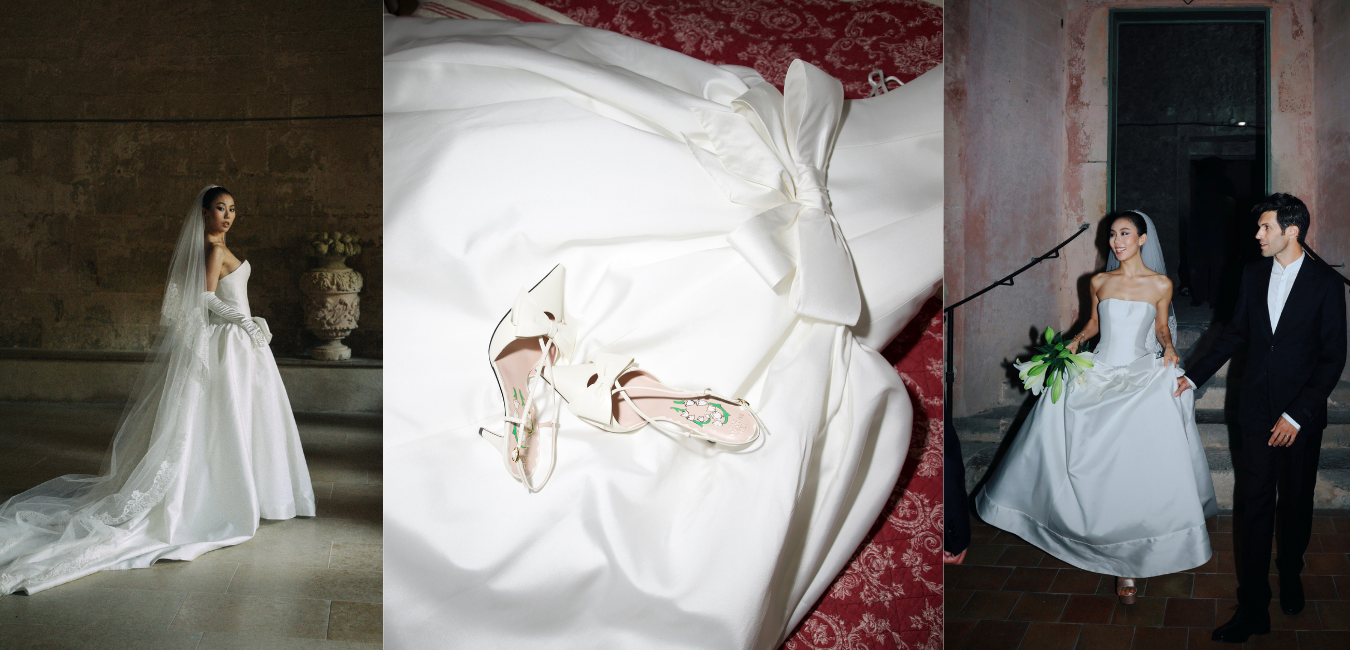
The bridal fashion budget is changing. As weddings expand across multiple events, brides are spreading their spending across ceremony gowns, reception looks, civil wedding outfits, and after-party pieces. For designers and retailers, the opportunity is no longer just to sell one high priced gown, but rather to understand and capture more of the wedding wardrobe.
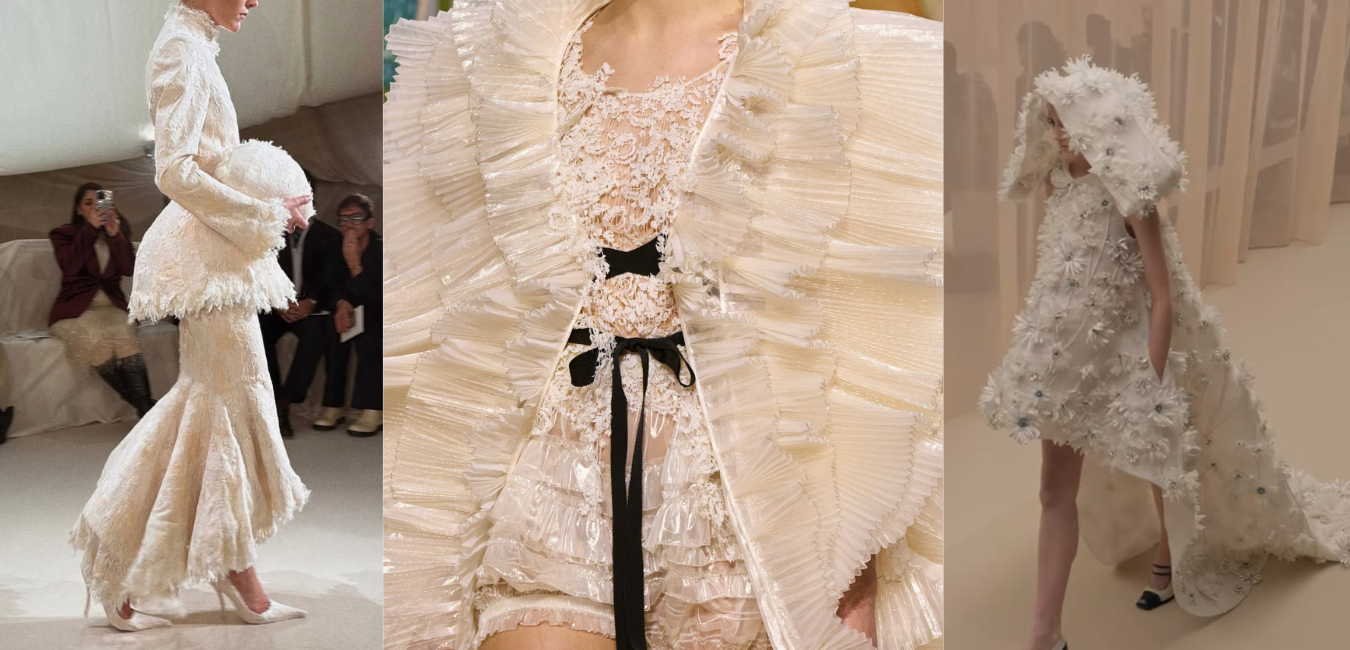
Bridal designers and retailers are reporting slower sales, longer decision cycles, and less predictable appointments. But a Google Deep Research report examining eight global markets suggests the issue is more complicated than a simple decline in demand. Luxury bridal is still resilient. What has changed is how brides compare, spend, and ultimately decide.
Instagram has changed, but it still matters for businesses that rely on visibility, trust, and direct inquiries. In this post, we’re breaking down 11 recent Instagram recommendations from Adam Mosseri, including how to think about reach, saves, sends, collaboration posts, hashtags, Trial Reels, carousels with music, and more. The goal is not to chase every feature, but to understand what Instagram is prioritizing now and build a smarter, more sustainable content strategy.
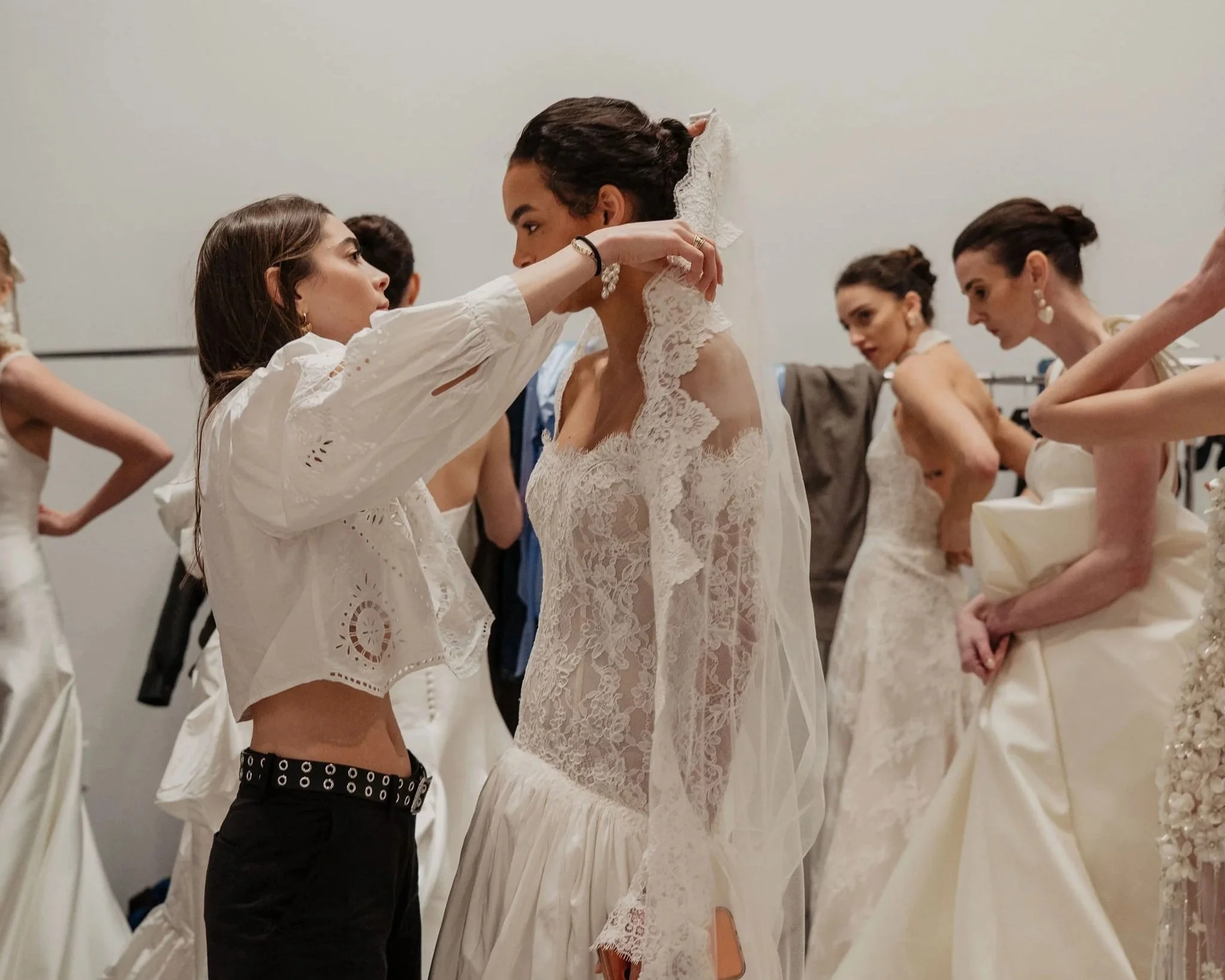
AI search is beginning to change how brides discover, compare, and choose bridal boutiques and designers. Inspired by themes from the Google Marketing Live 2026 keynote, this post explores both the promise and the problem of a more frictionless search experience. While AI may help brides become more informed and better matched with the right boutiques, it could also intensify the endless comparison shopping that already strains bridal businesses.
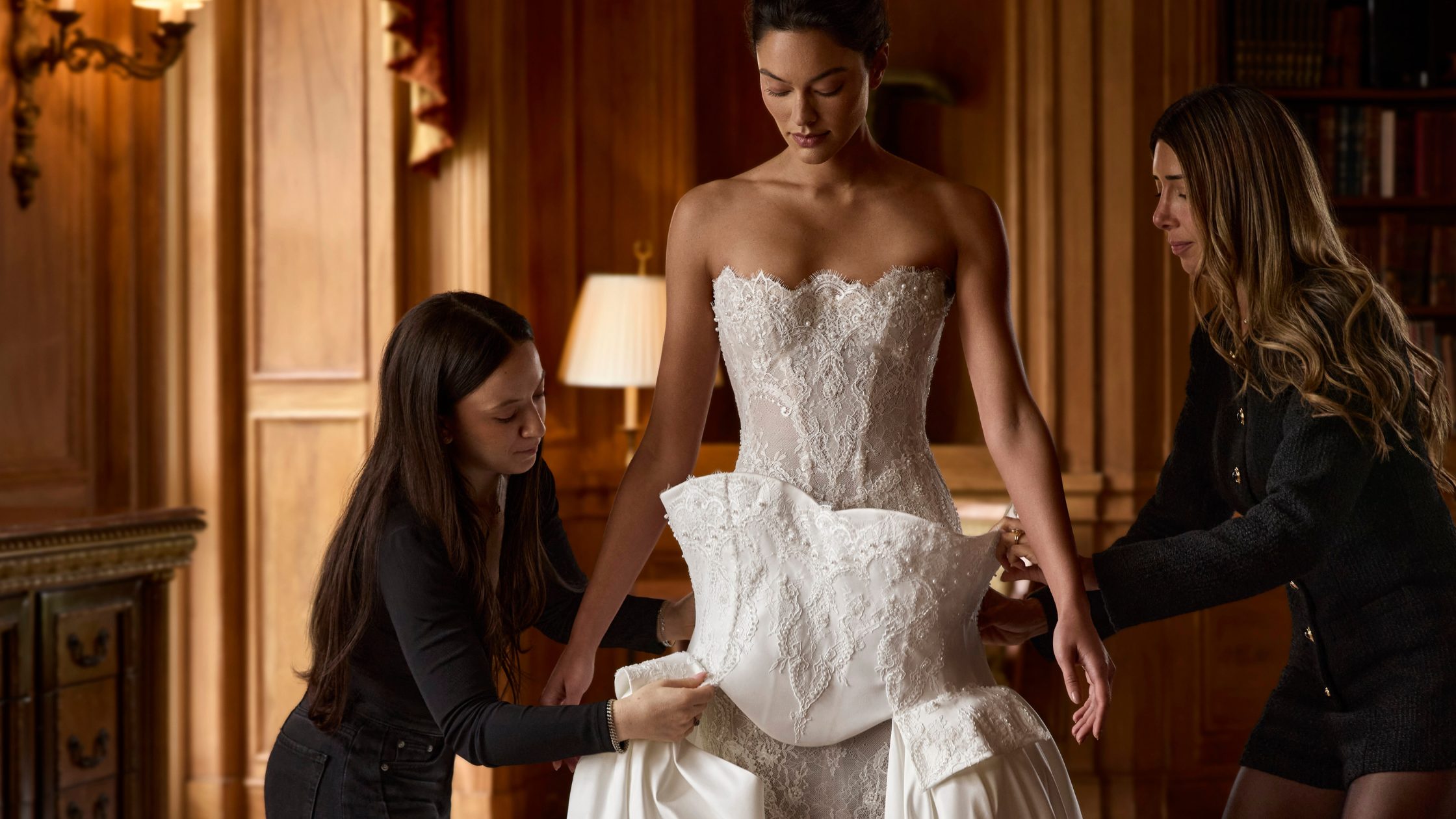
As AI-generated content floods the internet, bridal brands can no longer rely on generic blog posts, basic shopping guides, and trend roundups to stand out. The brands that win visibility in 2026 will be the ones creating content rooted in real expertise, proprietary insight, stylist observations, designer knowledge, and a clear point of view. In the new search ecosystem, specificity is the new visibility.

A few years ago, AI seemed easier to explain: a powerful prediction machine, impressive but mechanical. That explanation no longer feels sufficient. In this essay, I explore what has changed in my own thinking after working closely with Claude, examining questions of reasoning, self-modeling, emergent behavior, sentience, and AI safety. The result is a serious argument that the uncertainty itself has become impossible to dismiss.

In this essay, we explore a question that feels increasingly urgent: what should we be teaching children in a world shaped by AI, social media, disinformation, and declining attention? Arguing that schools are still preparing students for a world that no longer exists, we make the case for an education built around judgment, deep reading, history, writing, ethical reasoning, emotional literacy, and the ability to work with AI without surrendering human agency.
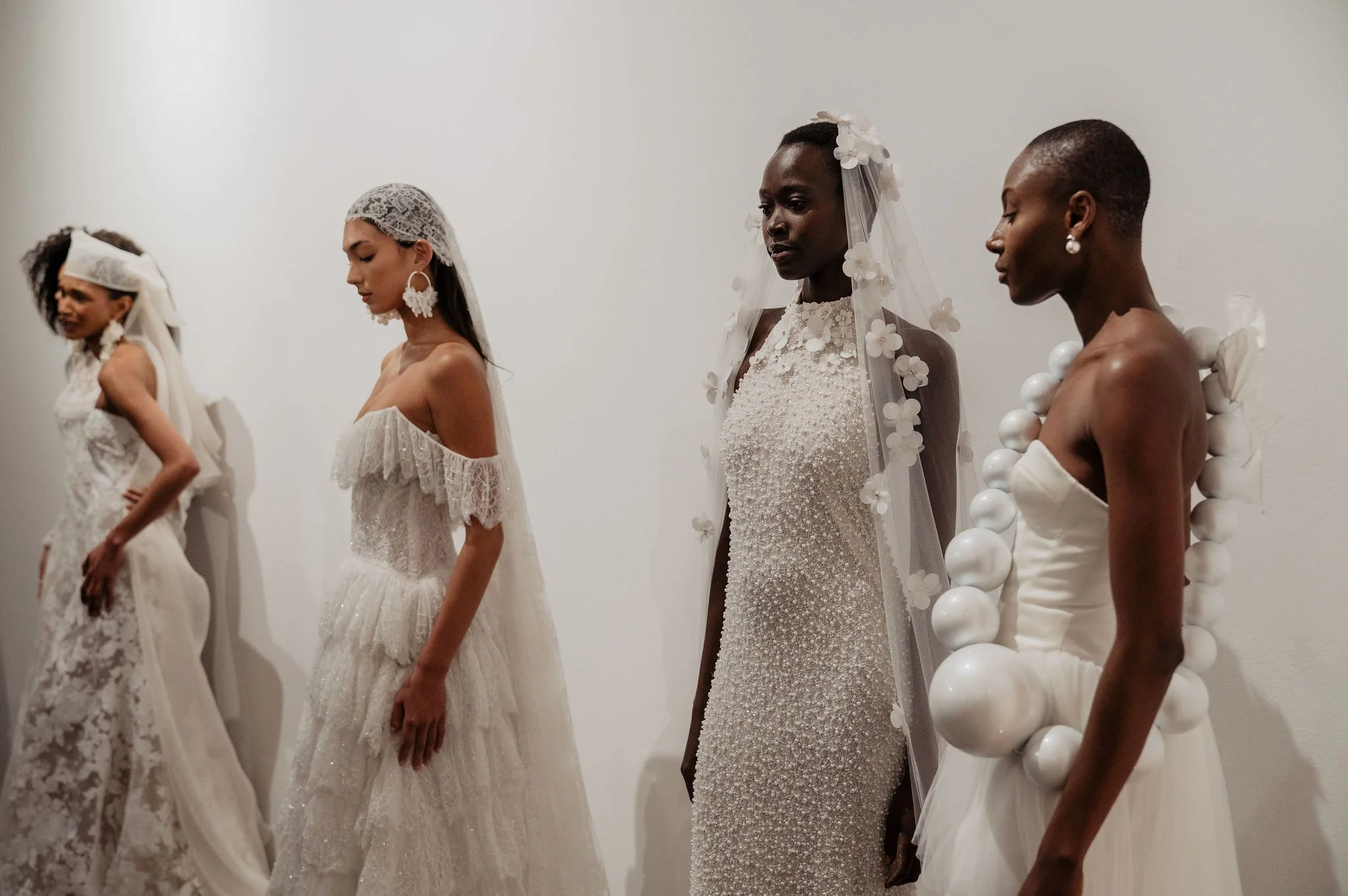
New York Bridal Fashion Week 2026 didn’t introduce entirely new ideas. It made existing shifts more visible and more urgent. From the gap between editorial creativity and real-world purchases to the growing importance of AI-driven discovery, this post breaks down what bridal brands should actually focus on as they plan for 2027.

Most people use AI for content. But the real shift is happening elsewhere. In this post, I share how Claude handled two operational projects—auditing and updating a bridal boutique database and building a structured workspace—in about an hour, and what that means for how businesses should think about AI moving forward.

Meta ads are no longer about separating cold and warm audiences or building rigid funnel campaigns. In 2026, success comes from consolidation, data density, and creative diversity. Here’s how bridal advertisers should rethink campaign structure to work with Meta’s AI instead of against it.
THE BRIDAL MARKETING BRIEF
FOR PEOPLE THINKING SERIOUSLY ABOUT WHERE BRIDAL MARKETING IS GOING NEXT.
Analysis, ideas and practical strategy around bridal sales, marketing and AI—written for designers, retailers and the people building the brands around them.
A global luxury bridal strategy should not look the same in every market. The platforms, partners, buying systems, and conversion paths differ significantly between the US, UK, Canada, Australia, Singapore, Hong Kong, Japan, and South Korea. This post breaks down where high-end bridal brands should show up, how to balance organic and paid, and which relationships matter most in each market.