
New York Bridal Fashion Week 2026: What Actually Matters for Bridal Brands Going Into 2027
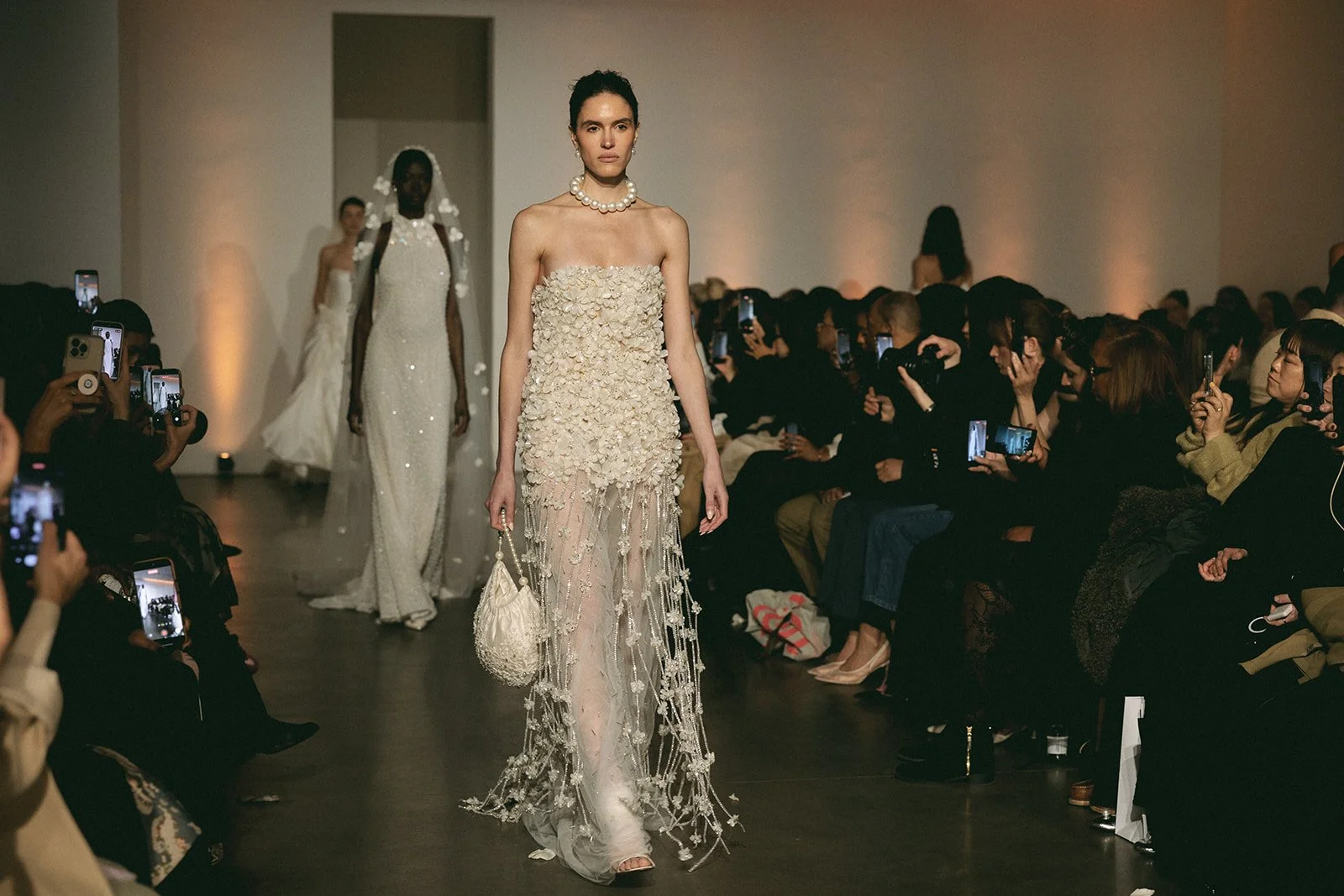
LIHI HOD Runway Show. Photo by @samanthacouickphoto
The perspective in this post is informed in part by a Gemini Deep Research report on New York Bridal Fashion Week, April 2026, combined with my own experience working with bridal brands and boutiques.
There’s a lot being said about the future of bridal right now.
AI-powered search.
Virtual try-ons.
Boutique-first selling.
Architectural silhouettes.
If you’ve been paying attention, none of this is particularly surprising.
Because most of what came out of New York Bridal Fashion Week April 2026 isn’t entirely new. It’s a continuation of shifts that have already been happening; just now more visible, more structured, and more urgent.
The question I address here isn’t about what’s trending. It’s what actually matters for your business going into 2027.
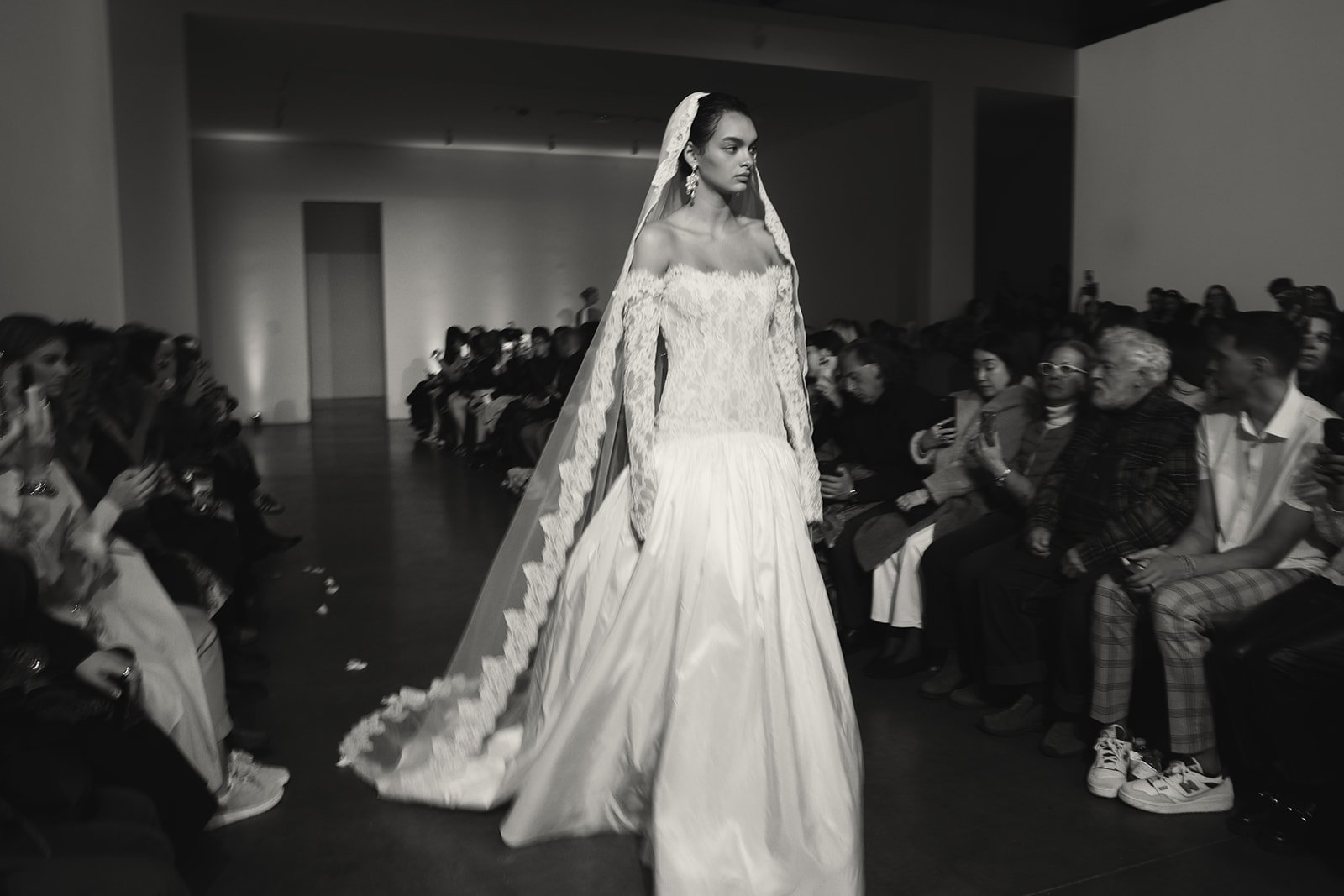
LIHI HOD Runway Show. Photo by @samanthacouickphoto
1. Creativity Is Expanding. Purchases Are Not.
There’s no question that collections are becoming more creative.
Architectural silhouettes.
Textural experimentation.
Modular designs.
“Anti-trend” storytelling.
But here’s the reality: Most brides are still purchasing gowns with a traditional foundation.
That doesn’t mean creativity isn’t valuable. It is.
But some designs are clearly meant for:
Editorial shoots
Runway moments
Brand storytelling
Not real-world purchase. And that distinction matters.
Because while innovation drives attention, wearability drives revenue.
So the question becomes:
Are you designing for visibility, or for conversion?
The strongest brands will find a balance. Pushing boundaries while still anchoring collections in something a bride can actually see herself wearing.
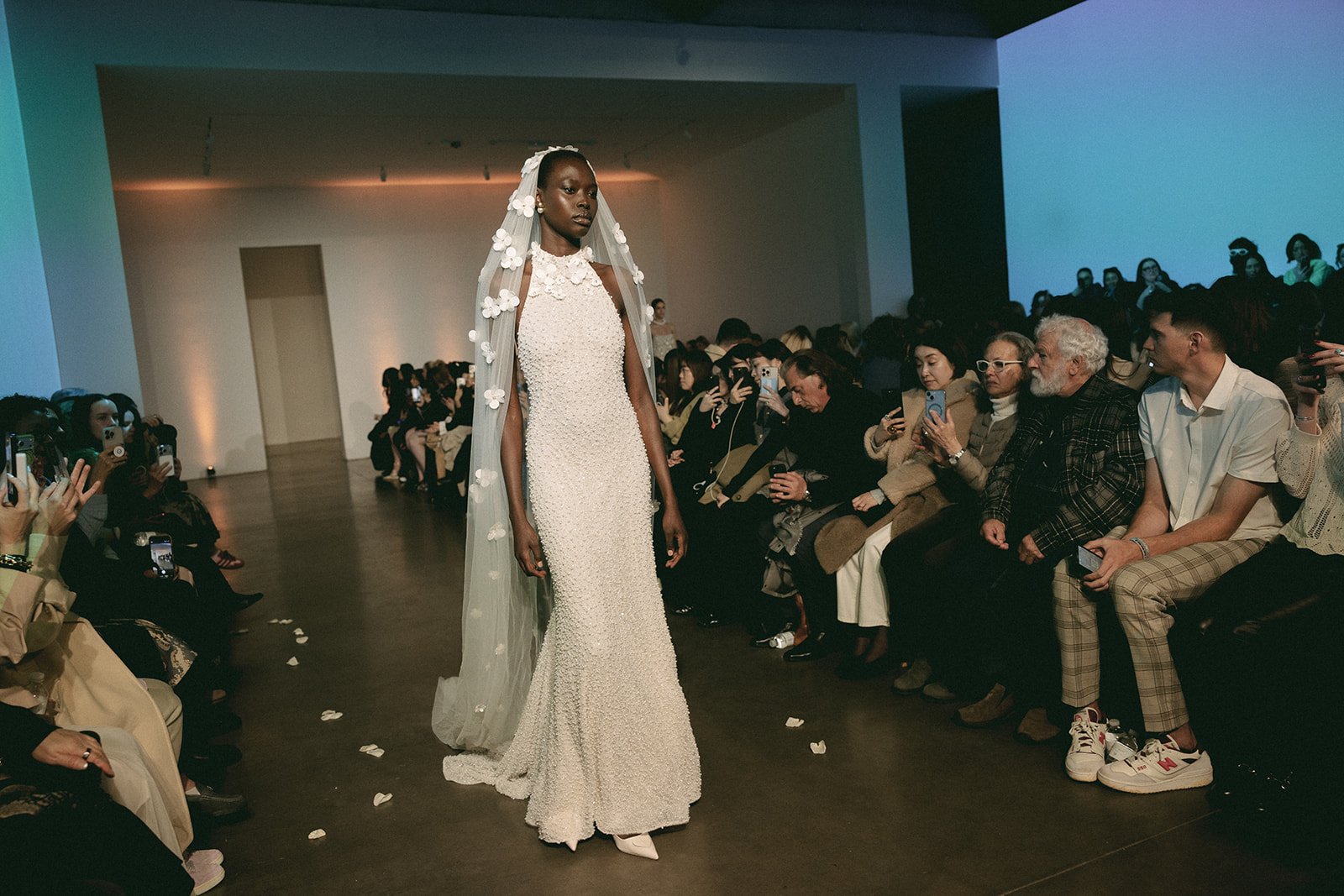
LIHI HOD Runway Show. Photo by @samanthacouickphoto
2. The Relationship Economy Isn’t New, But It’s Intensifying.
There’s a growing narrative that bridal is shifting toward a “relationship economy.”
Boutique-first presentations.
Direct connections.
Personalized experiences.
This has been happening for a while. Boutiques have always played a critical role in the decision-making process. What’s changing is the weight of that relationship.
But at the same time, runway shows still matter.
They signal:
Prestige
Brand positioning
Market authority
A strong runway moment doesn’t replace boutique relationships. It amplifies them. It creates the initial interest that boutiques can then convert.
This is where many brands misstep.
They either:
Over-invest in visibility without supporting retail relationships
Or rely entirely on boutiques without building brand demand
The brands that win will understand how both pieces work together.
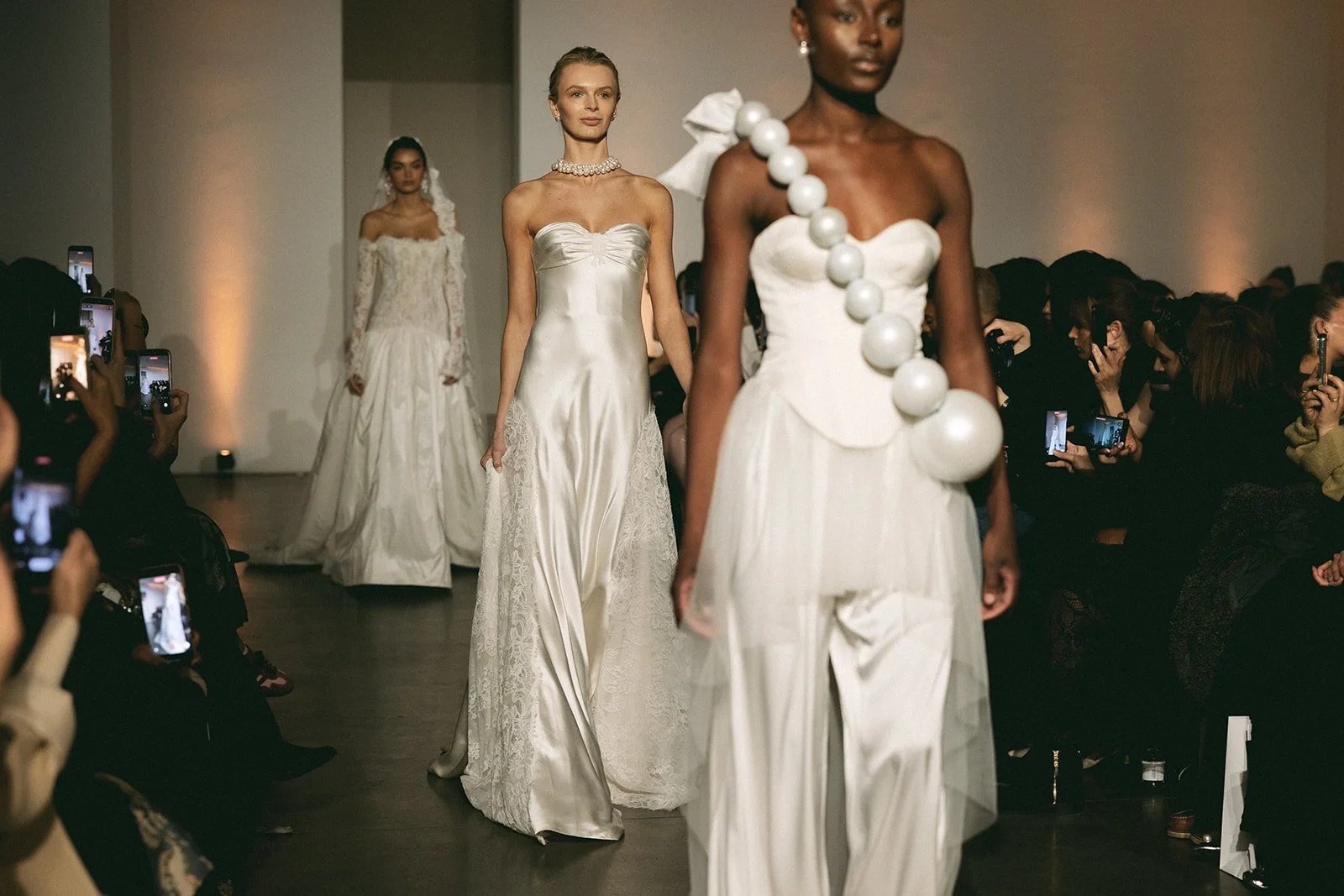
LIHI HOD Runway Show. Photo by @samanthacouickphoto
3. AI Is Not the Trend. It’s the Infrastructure.
My Deep Research report highlights:
AI search (ChatGPT, Gemini)
Generative Engine Optimization (GEO)
Predictive analytics
Virtual try-ons
But here’s the gap: Most bridal brands and boutiques are still far behind.
Yes, some are experimenting with AI video and using ChatGPT like an advanced search engine.
But very few are:
Changing workflows
Structuring content for AI discovery
Building systems that support AI-driven search
And almost none are thinking: “How does my brand show up when a bride asks AI what to wear?”
That’s the real shift. Not tools. Infrastructure.
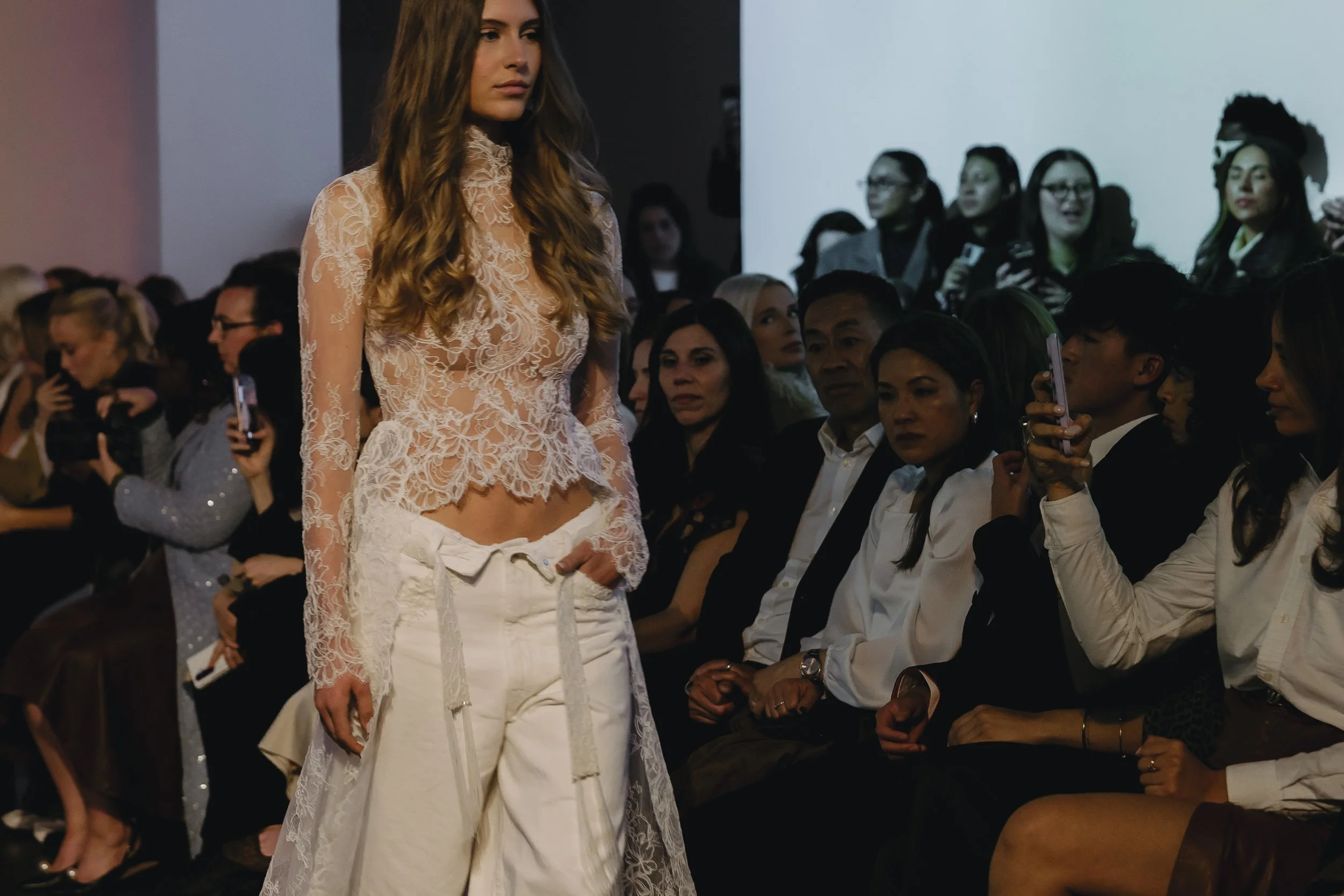
LIHI HOD Runway Show. Photography by @emilydennyphoto
4. Not Everything Needs to Be Automated.
There’s a growing push toward things like virtual try-ons. On paper, it makes sense. In reality, bridal is different.
Buying a wedding dress is:
Emotional
Personal
Experiential
It’s not a transactional purchase.
So while technology can support discovery, it cannot replace the in-person experience.
The risk is overcorrecting. Too much AI-generated content. Too many synthetic visuals. And suddenly, the product loses its grounding. There’s a balance here.
AI can support:
Discovery
Education
Efficiency
But the product itself still needs to feel real.
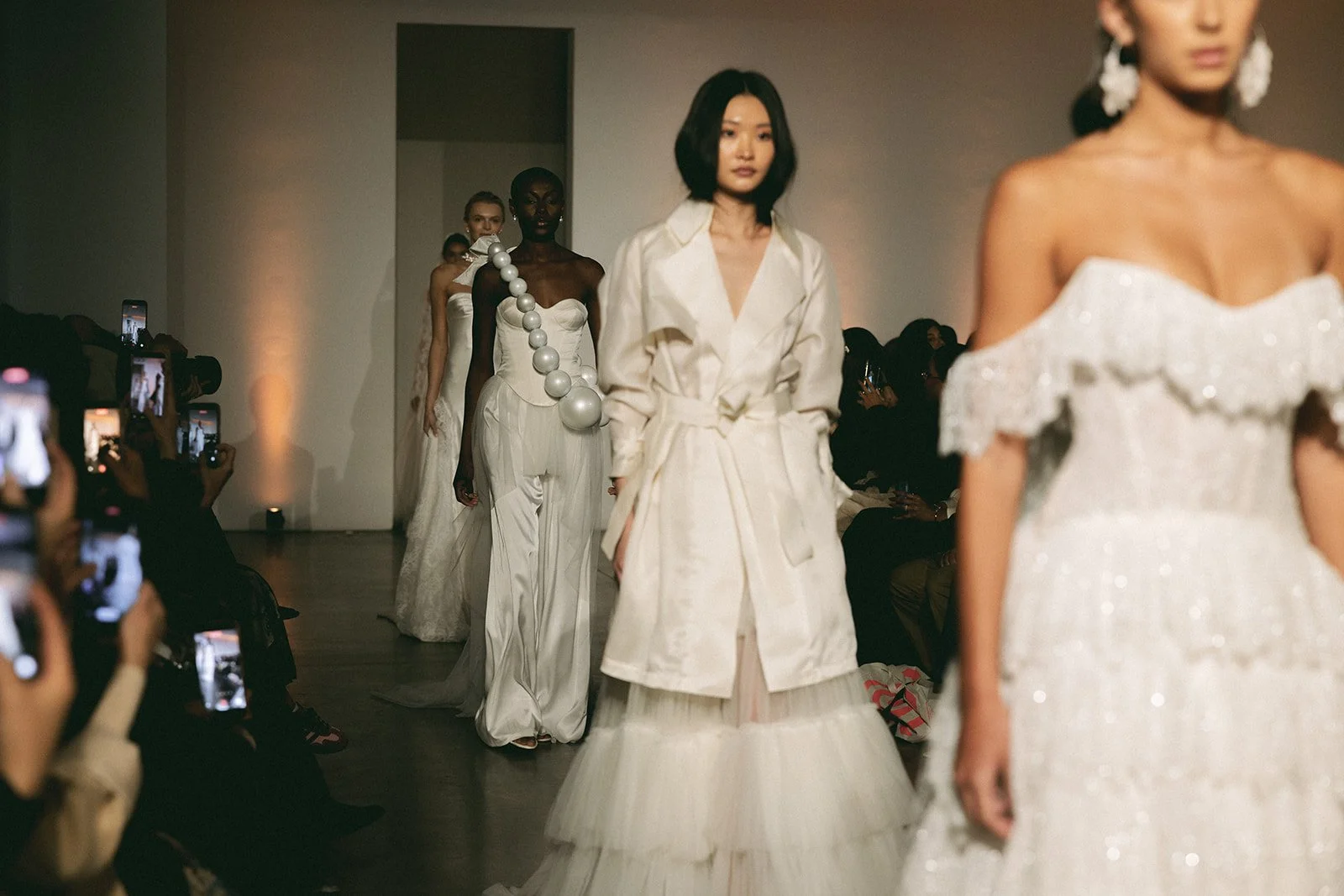
LIHI HOD Runway Show. Photography by @emilydennyphoto
5. Content Is Shifting, But Not in the Way You Think.
Yes, video is performing. Yes, platforms are prioritizing motion.
But that doesn’t mean: “More content” or “More AI-generated visuals”
It means more intentional content.
For bridal, this looks like:
Real gowns, properly filmed
Movement that shows construction and fabric
Strategic use of video, not constant output
Too much AI-generated content, especially with unrealistic gowns, risks disconnecting the brand from reality.
And in luxury, that disconnect shows quickly.
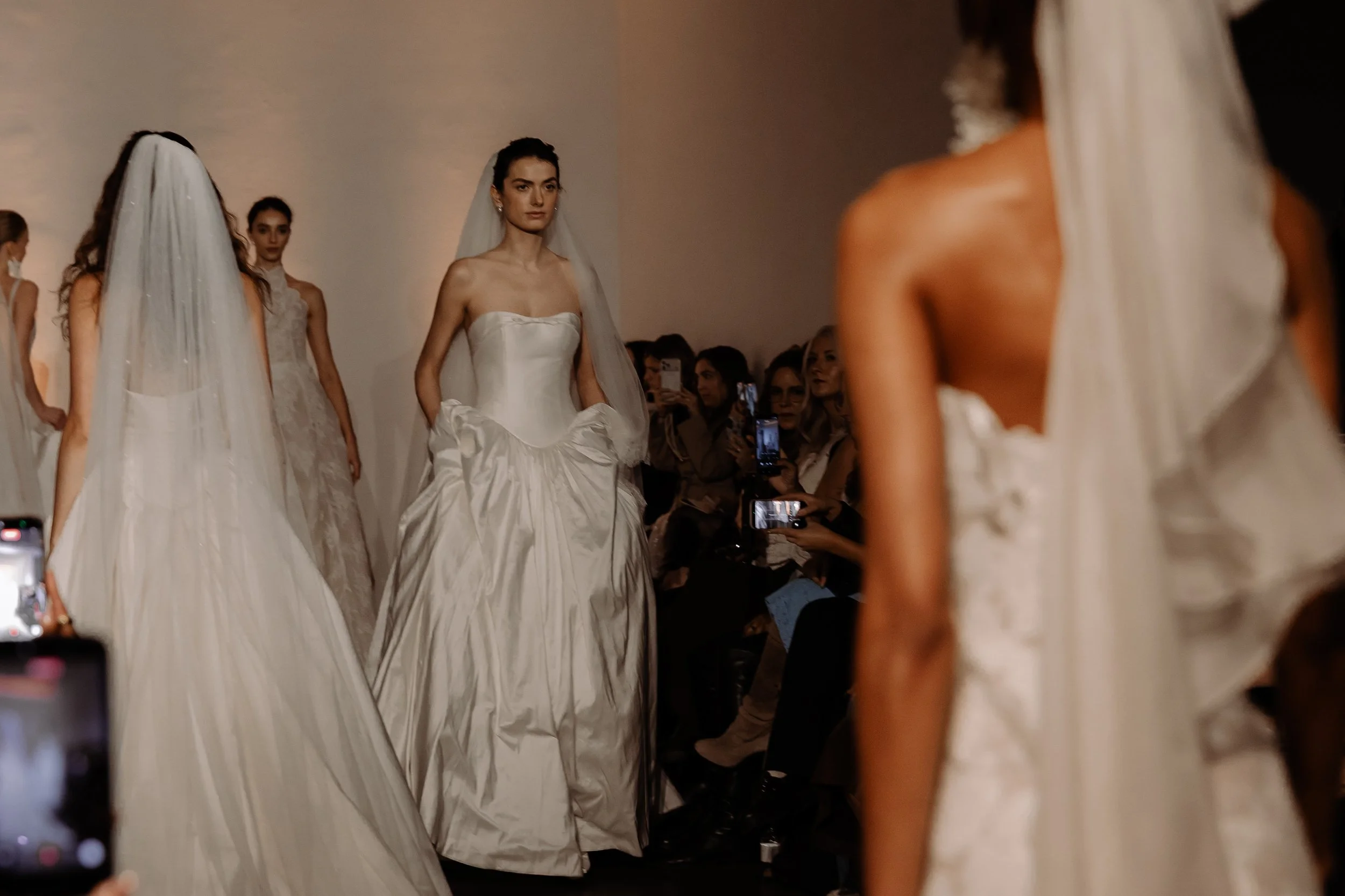
LIHI HOD Runway Show. Photography by @emilydennyphoto
6. The Real Opportunity: AI-First Discovery.
If there’s one area most brands are still not getting right, it’s this: They are not planning for how brides will search in the near future.
Search is becoming:
Conversational
Visual
AI-assisted
Brides are already asking:
“What designers specialize in structured gowns?”
“Where can I find minimalist bridal in Los Angeles?”
“What’s similar to Old Hollywood glamour but more modern?”
And AI is answering.
The question is: Is your brand part of that answer? Because if not, you’re not just missing traffic, you’re missing relevance.
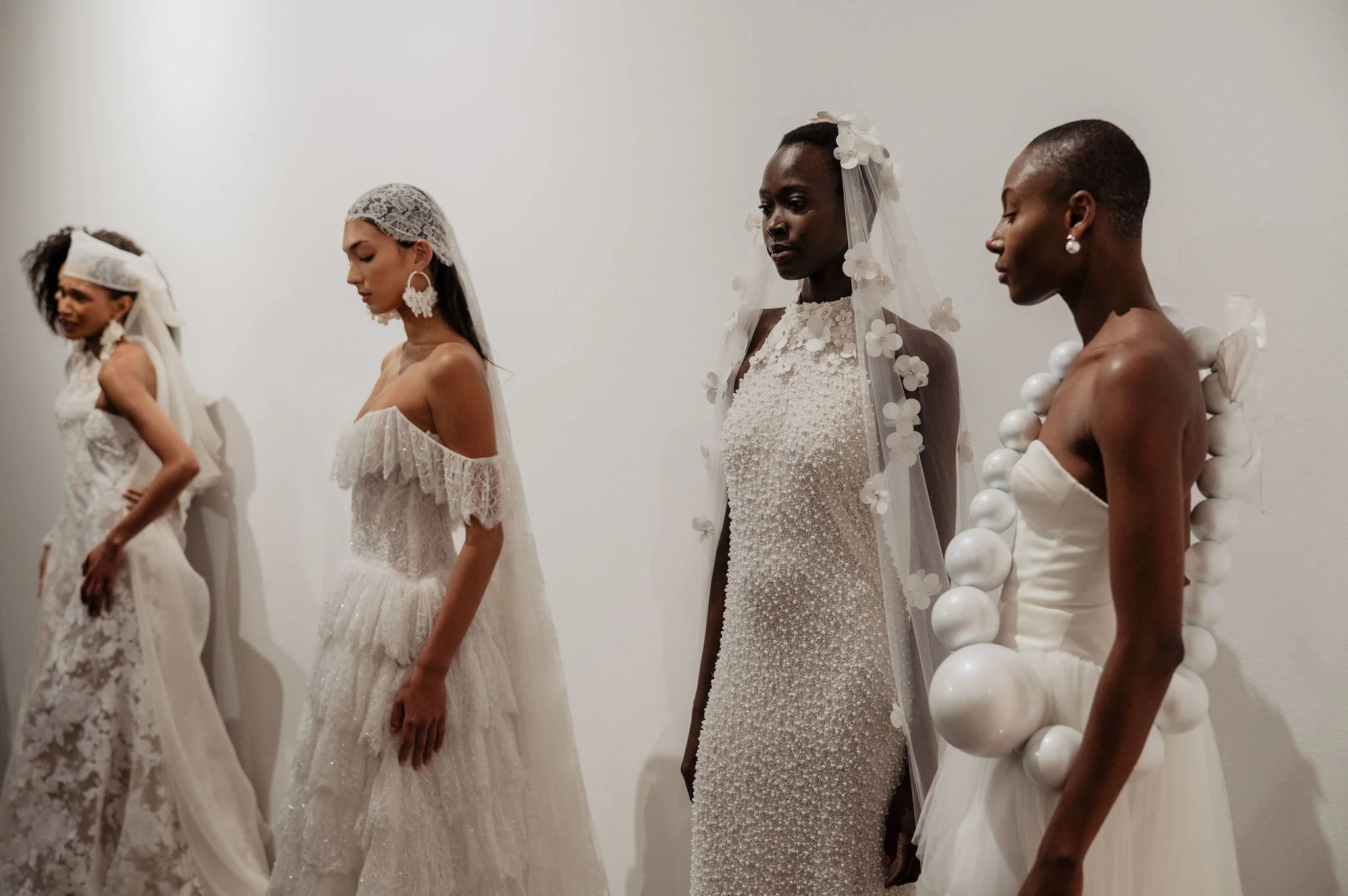
LIHI HOD Runway Show. Photo by @randylange
The Bigger Shift
This season doesn’t mark a trend shift. It marks a structural one.
Bridal is moving toward:
More individual expression
More intelligent discovery
More reliance on systems behind the scenes
But at its core, it remains the same: A deeply personal, emotional purchase.
The brands that will succeed going into 2027 are not the ones doing the most.
They’re the ones doing the right things:
Designing with both creativity and wearability
Balancing visibility with boutique relationships
Using AI to support—not replace—the experience
And preparing now for how discovery is changing
Because this shift isn’t coming. It’s already here.