
A Global Growth Strategy for Luxury Bridal Brands

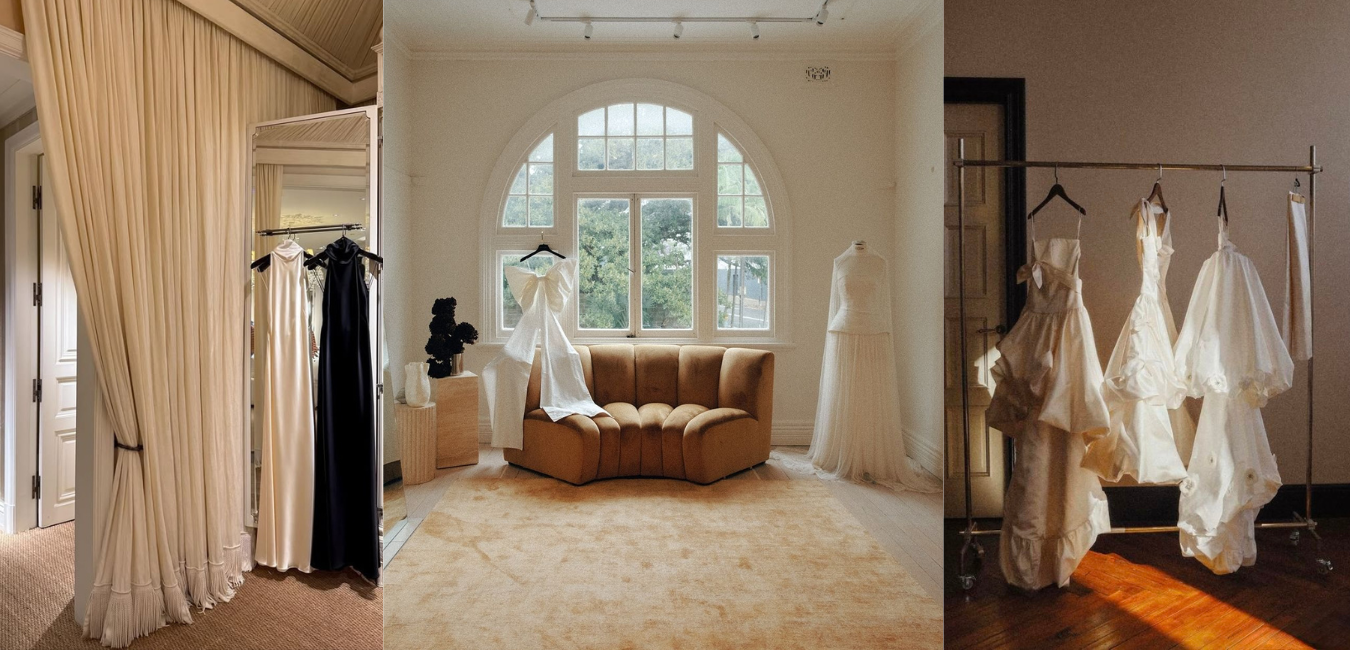
Gown images: Lee Petra Gebenau
In the previous post in this series, I looked at why there is no single global luxury bridal market.
That raises the practical question: how should a high-end bridal brand approach each market?
The framework is simple:
Discovery. Credibility. Distribution. Conversion.
The balance changes by country.
1. United States: Win the shortlist early
The US remains one of the strongest luxury bridal markets, but brides research extensively before booking appointments.
Where to show up
Prioritize:
Instagram for brand building, real brides, runway, craftsmanship, and retailer collaborations
Pinterest for long-tail discovery around silhouettes, fabrics, necklines, designers, and real weddings
TikTok for fashion discovery, styling, and behind-the-scenes content
Google and AI search through strong collection pages, retailer listings, press, and useful editorial content
Bridal and fashion editorial for authority
Organic vs. paid
Use organic to build desire and recognition.
Use paid media around strong retail partners, trunk shows, key cities, and high-intent audiences.
Avoid spreading budget evenly across the country. Concentrate spend where distribution is strongest.
Who to pursue
Top bridal boutiques
Luxury wedding planners
Bridal stylists
Photographers
Fashion and bridal editors
Destination planners
Select fashion and wedding creators
The objective is to make the brand part of the bride's shortlist before she enters the store.
2. United Kingdom: Strengthen authority and value
The UK requires stronger justification around price and perceived value.
Where to show up
Prioritize:
Instagram for craftsmanship, fittings, bespoke work, and real brides
Pinterest for search-driven discovery
Google for designer, boutique, and price research
Fashion and bridal editorial
Select TikTok content focused on atelier work, styling, and designer expertise
Organic vs. paid
Lean more heavily on organic, editorial, PR, and retailer partnerships.
Use paid media selectively around London, affluent regional markets, trunk shows, and high-intent retargeting.
Who to pursue
Leading London and regional boutiques
Fashion stylists
Luxury planners
Bridal and fashion editors
Private-client stylists
Photographers and venues
Carefully chosen resale or archive partners where appropriate
The brand needs to make the premium feel justified through product, service, and authority.
3. Canada: Build density in key markets
Canada is smaller and more concentrated than the US, so broad national awareness is rarely the best use of budget.
Focus first on Toronto, then Vancouver, Montreal, and other markets where distribution supports investment.
Where to show up
Prioritize:
Instagram
Pinterest
Google
Luxury wedding editorial
Real weddings tied to top local planners, photographers, and venues
Organic vs. paid
Build strong local ecosystems around key retailers.
Use paid media to support those markets rather than spreading spend too thinly across the country.
Who to pursue
Leading boutiques
Luxury wedding planners
High-end photographers
Major venues and hotels
Bridal editors
Multicultural luxury-wedding specialists
The goal is market depth, not national reach.

4. Australia: Lead with aesthetic relevance
Australia is a strong example of why product-market fit matters.
If the market is moving toward cleaner, lower-embellishment bridal, brands should reflect that in assortment and imagery.
Where to show up
Prioritize:
Instagram
Pinterest
TikTok
Local wedding platforms
Fashion and bridal editorial
Real Australian weddings
How to show up
Use local brides, local venues, and local retailer content quickly.
If the collection has strong minimalist, architectural, or fabric-driven pieces, make those visible.
Organic vs. paid
Use organic to establish aesthetic relevance.
Use paid around strong retail partners and high-intent audiences in Sydney, Melbourne, and other priority markets.
Who to pursue
Leading boutiques
Fashion editors
Luxury planners
Editorial photographers
Wedding creators
High-end venues
Stylists
Australia rewards brands that feel locally relevant rather than globally copied and pasted.
5. Singapore: Build influence through the ecosystem
Singapore is affluent, compact, and relationship-driven.
Luxury bridal there is shaped by salons, rental, and package models, so partnerships matter heavily.
Where to show up
Prioritize:
Instagram
Xiaohongshu / RED
Google
Luxury editorial
Salon and planner collaborations
Hotel and event partnerships
Organic vs. paid
Lean toward PR, organic content, partnerships, and local activations.
Use paid media to amplify strong local moments, retailer events, and trunk shows.
Who to pursue
Luxury bridal salons
Rental and package operators
Top planners
Luxury hotels
Fashion and society editors
Xiaohongshu creators
Stylists and concierge networks
The strongest strategy is to become known within the circles affluent brides already trust.

6. Hong Kong: Combine visibility with access
Hong Kong is more hybrid, with both purchase and rental models in play.
Where to show up
Prioritize:
Instagram
Xiaohongshu
Google
Local wedding media
Luxury hotel wedding events
Retailer-led activations
Organic vs. paid
Use a balanced mix of partnerships, organic content, and paid support.
Paid media should connect directly to a local retailer, event, or appointment opportunity.
Who to pursue
Premium bridal salons
Luxury hotel wedding teams
Planners
Bridal media
Fashion stylists
Photographers
Xiaohongshu creators
The bride should always know where and how she can experience the product locally.
7. Japan: Prioritize trade access
Japan requires a more trade-led strategy because venue operators, affiliated salons, and rental systems play a major role in gown access.
Where to show up
Prioritize:
Instagram for aspiration
Zexy and local wedding platforms
LINE
Japanese-language search content
Local bridal media
Trade relationships
Organic vs. paid
Allocate more budget to business development, localization, and partnerships than to broad consumer advertising.
Who to pursue
Venue groups
Venue-affiliated salons
Premium rental operators
Bridal buyers
Local media
Japanese stylists
Import and distribution partners
For Japan, distribution strategy should lead the marketing plan.

8. South Korea: Build through the salon ecosystem
South Korea's luxury bridal market is highly concentrated around premium salons, especially in Cheongdam and Gangnam.
Where to show up
Prioritize:
Instagram
Naver
Naver Blog
Kakao
YouTube and short-form video
Local salon content
Organic vs. paid
Prioritize salon partnerships and local content.
Use paid media where a strong retail or rental partner can convert the demand.
Who to pursue
Cheongdam bridal salons
Imported-gown rental houses
Wedding planners
Studio-dress-makeup operators
Naver publishers and creators
Stylists
Local PR and distribution partners
The strongest brands will build consumer desire and salon credibility at the same time.
The questions to answer before entering any market
Before allocating budget, I would want clear answers to six questions:
How does the bride discover brands?
Instagram, Pinterest, TikTok, Google, Naver, Zexy, Xiaohongshu, editorial, or something else?How does she validate them?
Through press, planners, real brides, retailers, stylists, reviews, or creators?Who controls access to the product?
Boutique, salon, rental operator, venue, planner, or distributor?Where does conversion happen?
In-store, through a salon, at a trunk show, through a rental system, or through another intermediary?Does the product fit the market?
Look at silhouette, embellishment, pricing, sizing, lead times, alterations, and assortment.What does the local partner need from the brand?
Retailer support may include localized assets, paid campaigns, trunk-show strategy, staff training, PR, lead generation, sample rotation, and territory protection.
One brand, different market systems
Brand identity should stay consistent.
Market strategy should adapt.
In the US, build preference and support conversion.
In the UK, strengthen authority and value.
In Canada, concentrate on a smaller number of key markets.
In Australia, align closely with local taste.
In Singapore and Hong Kong, build through influential local networks.
In Japan and South Korea, prioritize distribution and trade relationships.
Global growth works best when each market has its own route to discovery, credibility, access, and conversion.