
AI Search Is Changing Bridal Shopping — But Is Frictionless Choice Better?
This article is part one of a three-part series on bridal shopping in the AI search era, inspired by the announcements from the Google Marketing Live 2026 keynote.
The keynote made one thing clear: search is no longer simply about typing a few words into Google and scanning a page of blue links. Search is becoming conversational, visual, personalized, and increasingly action-oriented. AI is not just helping people find information. It is helping them compare, decide, and move toward action faster.
For many industries, this sounds like progress.
Less friction.
Faster decisions.
Smarter recommendations.
More personalized shopping.
Fewer open tabs.
And in many ways, it is progress. Anyone who has planned a wedding, booked travel, researched a major purchase, or compared fifteen similar products online understands the exhaustion of modern digital discovery.
Google’s vision points toward a future where that burden gets lighter. Instead of searching in fragments, people can ask longer, more specific questions. Instead of opening dozens of tabs, AI can summarize, compare, and recommend. Instead of moving slowly from research to decision, consumers can act faster.
But bridal is not an ordinary purchase.
A wedding gown is not a pair of sneakers. A bridal appointment is not a product page. A boutique experience is not a checkout flow. And a bride’s decision is not purely logical, even when she arrives with a carefully edited Pinterest board and the confidence of someone who has watched 30 TikToks about basque waists.
So before the bridal industry celebrates the arrival of frictionless AI search, we should ask:
Should bridal shopping become frictionless?
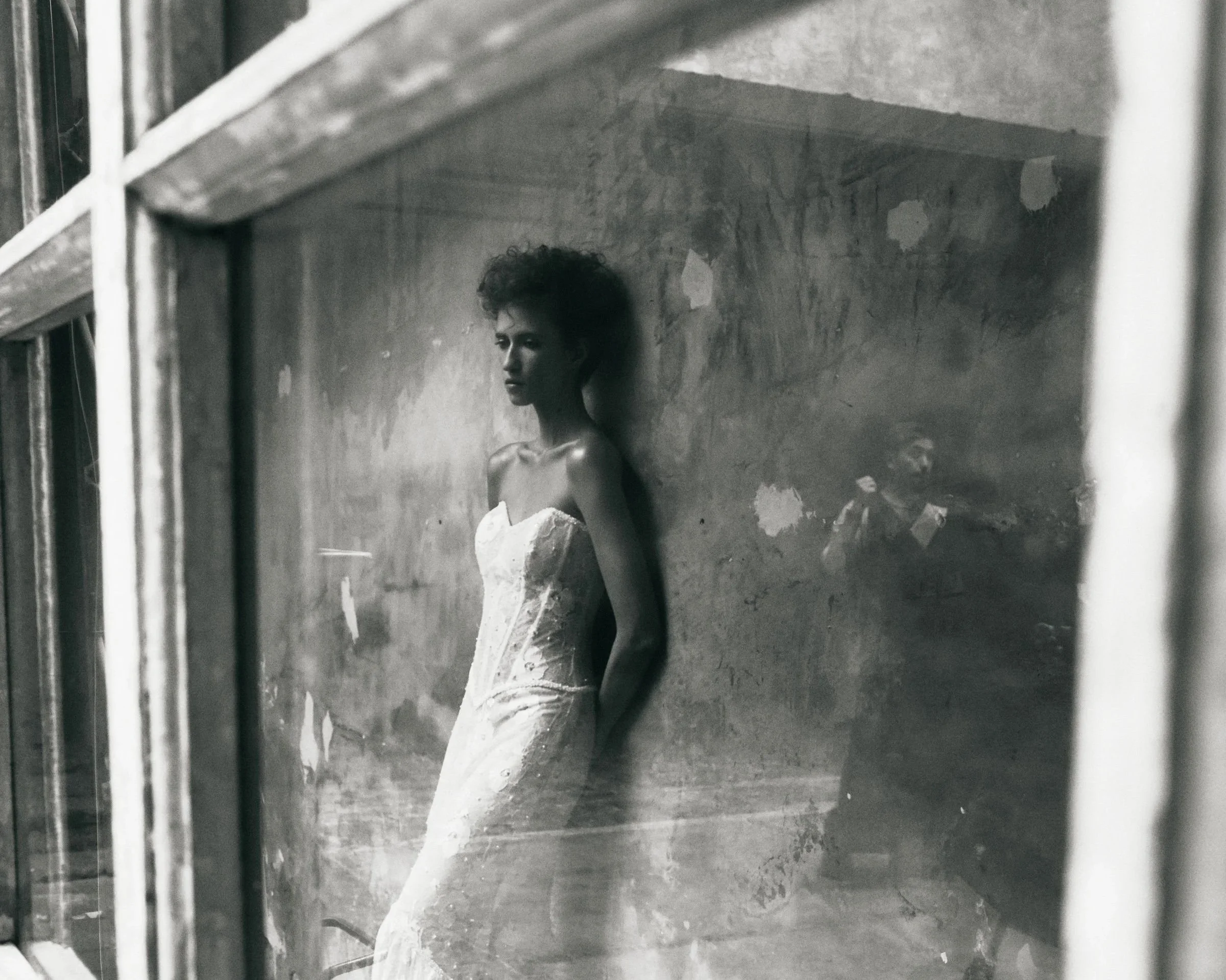
Image by Francesca Miranda
Brides Were Already Overwhelmed Before AI Entered the Room
Over the last several years, bridal shopping has become more digitally informed, and more emotionally complicated.
Many brides now arrive at appointments with screenshots, saved Instagram posts, TikTok opinions, Pinterest boards, designer wish lists, venue aesthetics, price comparisons, and advice from people who may or may not have useful taste.
They have seen too much and not enough.
They know the names of designers, silhouettes, fabrics, and trends. They may know what a corset bodice is, what a basque waist looks like, and which boutiques carry which labels. But all of this information does not always lead to clarity.
Often, it leads to more comparison.
A bride may visit one boutique, have a beautiful appointment, find a gown she genuinely loves, and still wonder: should I keep looking?
Not because she does not value the experience. But because modern shopping has trained all of us to believe that somewhere, somehow, there may be a better option waiting one more scroll, one more search, one more appointment away.
This is the psychology of abundance.
And bridal has felt the effects.
Boutiques and designers have been talking about this for years: brides going from store to store, trying to recreate the emotional high of the appointment, gathering experiences, comparing gowns, comparing stylists, comparing prices, and sometimes losing sight of the actual decision.
From the bride’s point of view, this can feel responsible. A wedding gown is expensive and emotionally significant. She wants to be certain.
From the boutique’s point of view, it can be costly.
Every appointment requires time, staff, expertise, sample maintenance, emotional labor, follow-up, and care. A stylist is not simply pulling dresses. She is reading body language, managing expectations, navigating family opinions, clarifying taste, and helping a bride understand what she is really responding to.
That work has value, even when the appointment is free.
This is where the AI search conversation becomes more complicated.
If AI makes it easier for brides to compare every boutique, every designer, every gown, every review, every price range, and every appointment option, will it help them make better decisions?
Or will it make the endless shopping loop even harder to escape?
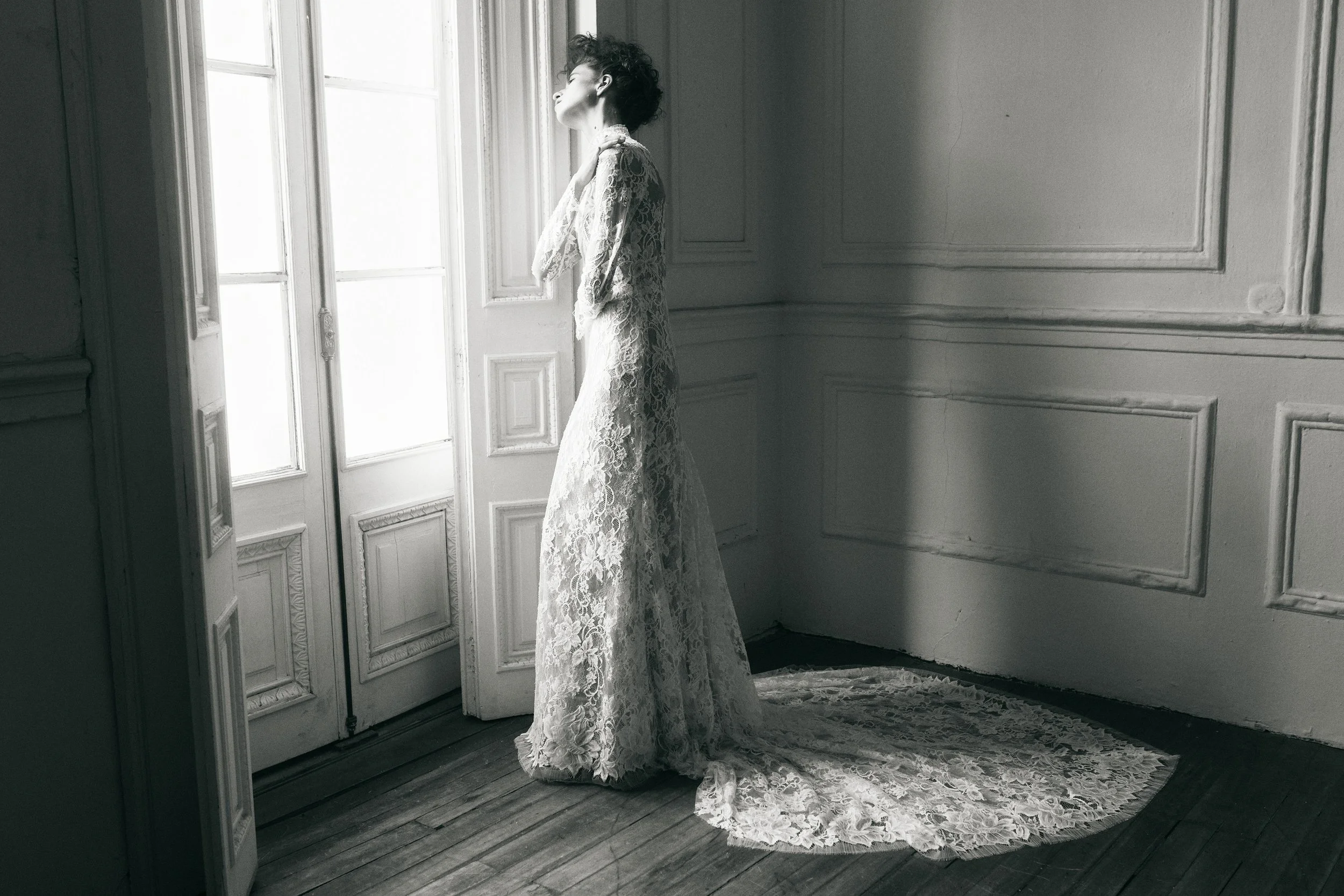
Image by Francesca Miranda
The Promise of AI Search for Bridal
There are real advantages to AI-assisted search, and bridal brands should not dismiss them.
In the best-case scenario, AI search could help brides become better prepared before they ever book an appointment.
A bride might ask:
“Which bridal boutiques in Dallas carry luxury designers like Elie Saab, Lihi Hod, and Zuhair Murad, offer private appointments, and are best for brides looking for a fashion-forward but elegant gown?”
That is not a traditional keyword search. That is a full thought.
If a boutique has clear website copy, useful designer pages, strong FAQs, helpful blog content, structured information, and a distinct point of view, AI search may be able to understand and recommend it more accurately.
This could help brides find boutiques that are actually aligned with their style, budget, location, and expectations.
That matters.
A bride looking for a $2,000 bohemian gown should not waste her time — or the boutique’s time — booking an appointment at a luxury atelier specializing in $8,000 to $15,000 designer gowns. A bride looking for a clean, architectural gown should not have to sort through pages of rustic lace if that is not her aesthetic.
Better matching could help everyone.
AI search could also help reduce some of the confusion brides bring into the appointment process. It could help them understand timelines, price ranges, alteration expectations, designer availability, trunk show timing, and the difference between inspiration and inventory.
In that sense, AI could become a useful pre-appointment educator.
And that is the best version of this future: AI helping brides arrive more informed, more realistic, and more intentional.
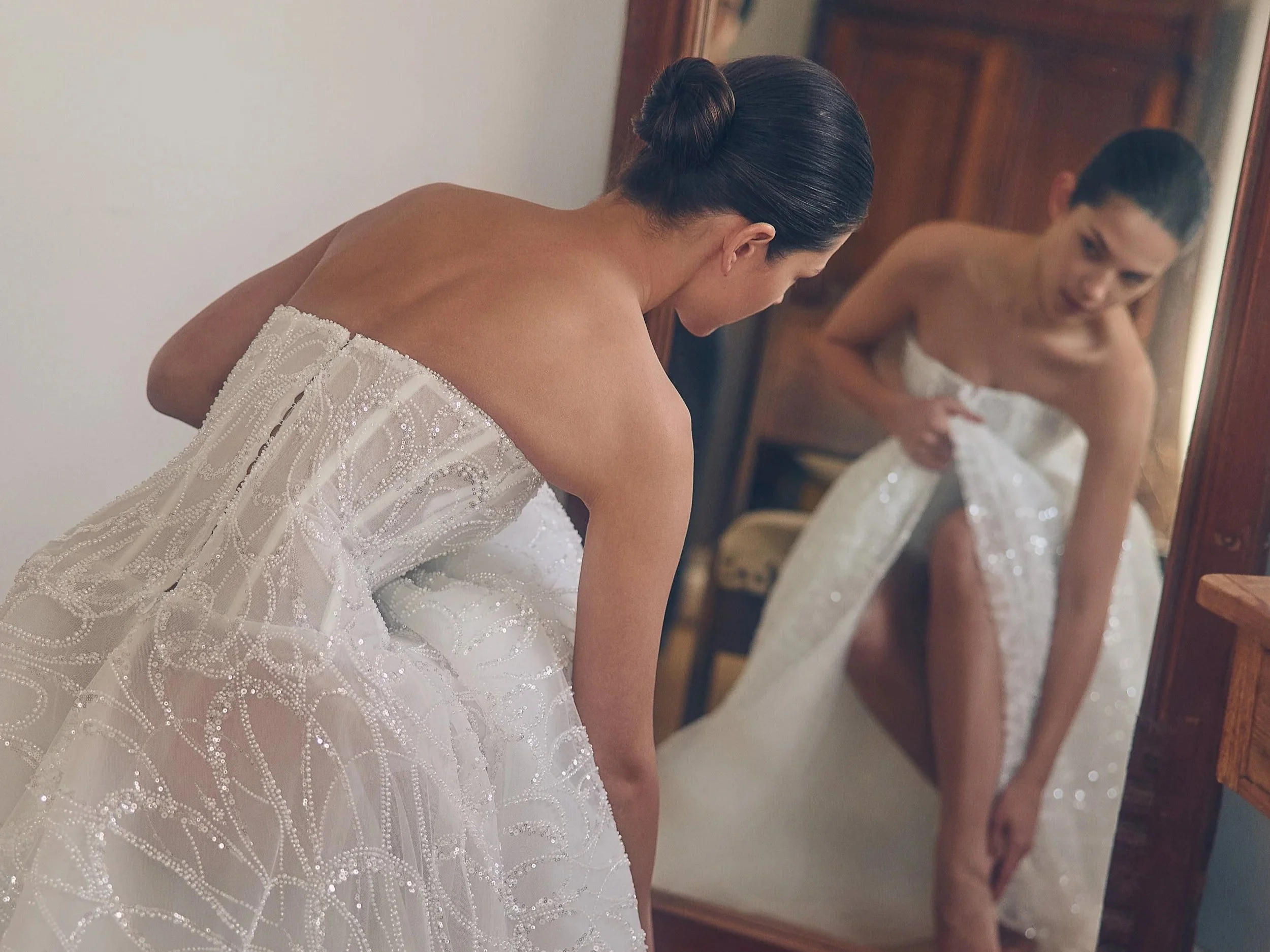
Image by Amrany Ayala
The Problem: Bridal Is Not Just a Search Problem
The risk is assuming that because AI can make search faster, it automatically makes decision-making better.
In bridal, speed is not always the goal.
A bride does need information. She does need clarity. She does need help narrowing options. But she also needs the experience of trying on the gown, seeing herself in motion, understanding proportion, feeling the fabric, and recognizing whether the dress aligns with the way she wants to inhabit one of the most photographed days of her life.
That recognition does not happen entirely online.
It does not happen only through comparison.
And it should not be outsourced entirely to an algorithm.
AI can compare boutiques. It can summarize reviews. It can organize options. It can suggest which stores may match a bride’s stated preferences.
But AI cannot witness the shift that happens when a bride sees herself clearly in a gown.
It cannot understand the difference between a dress that matches the Pinterest board and a dress that changes the bride’s posture.
It cannot read the pause in the room.
It cannot tell when a bride is choosing from fear, from pressure, from trend fatigue, or from genuine recognition.
That is the work of human expertise.
And it is exactly the kind of expertise bridal brands need to protect.

When Friction Is Not the Enemy
In technology, friction is usually treated as a problem.
Too many clicks.
Too many steps.
Too much effort.
Too much delay.
But in bridal, some friction is useful.
Not unnecessary confusion or poor communication. Not bad websites. Not hidden pricing that creates mismatched expectations. Those forms of friction should absolutely be reduced.
But there is another kind of friction that helps a bride slow down, ask better questions, understand her choices, and take the decision seriously.
That kind of friction is not a flaw. It is part of how meaning is made.
A thoughtful appointment process creates a pause between impulse and commitment. A skilled stylist helps a bride sort through competing desires. A well-run boutique creates a space where the bride can move from endless possibilities toward a real decision.
If AI removes too much friction, the risk is not simply faster shopping.
The risk is shallower shopping.
The risk is that brides become more informed but less committed. More aware of options but less connected to expertise. More capable of comparison but less able to choose.
And for boutiques, that could mean more inquiries, more appointment requests, more comparison shopping, and more strain on already limited time and resources.
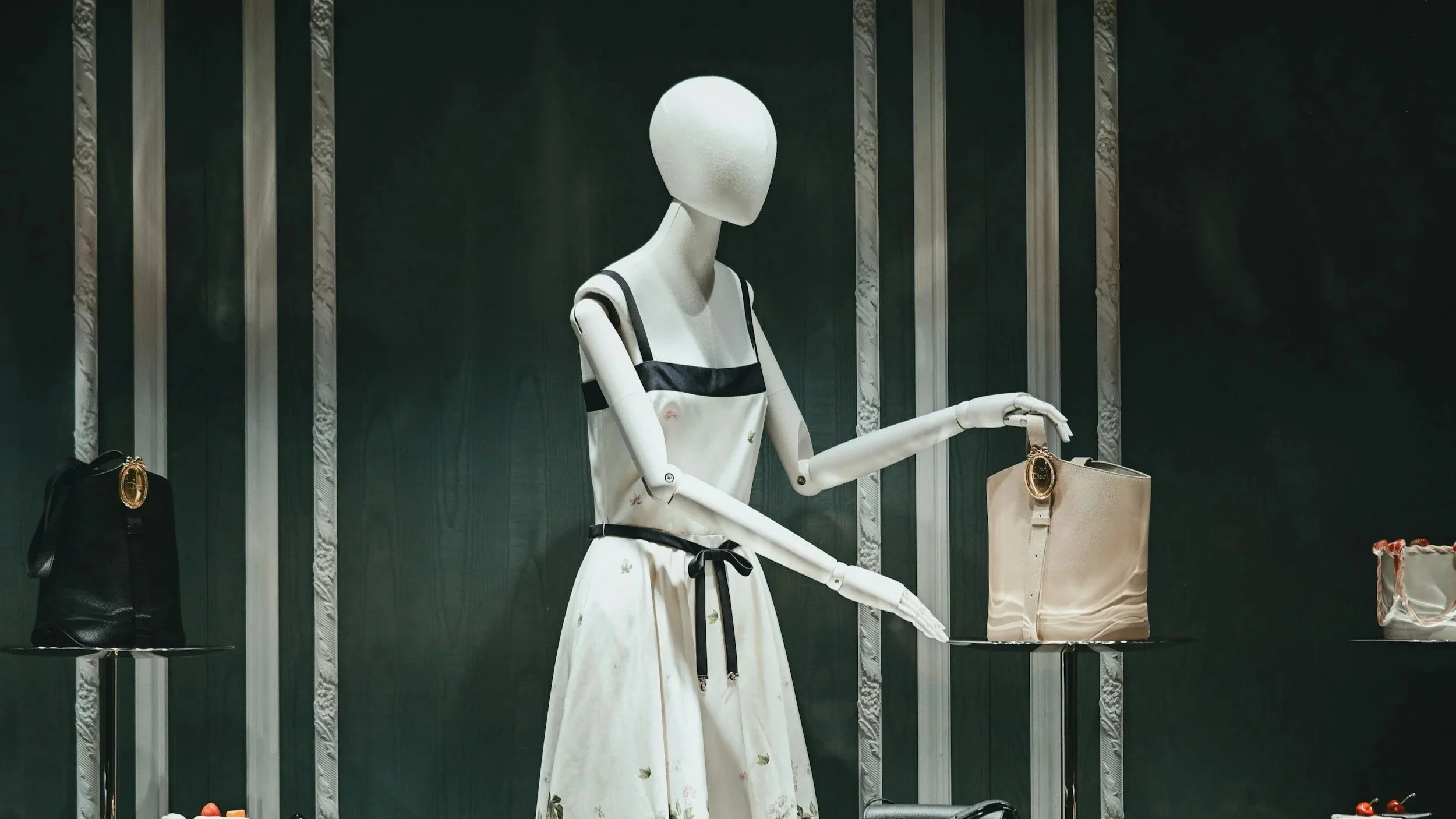
The Question Is Not Whether AI Will Change Bridal Shopping
It will.
Brides will use AI tools to research designers. They will ask for boutique recommendations. They will compare price ranges, read summaries, search by aesthetic, and look for guidance that feels tailored to their preferences.
The question is whether bridal brands will allow AI to define the experience purely around ease, speed, and comparison, or whether they will use it to create a more intentional path to purchase.
Bad AI-assisted bridal shopping will encourage brides to shop endlessly, compare obsessively, and treat boutiques as interchangeable sources of experience.
Good AI-assisted bridal shopping will help brides clarify what they want, understand what different boutiques offer, respect the expertise involved, and arrive better prepared.
That is the standard bridal brands should be aiming for.
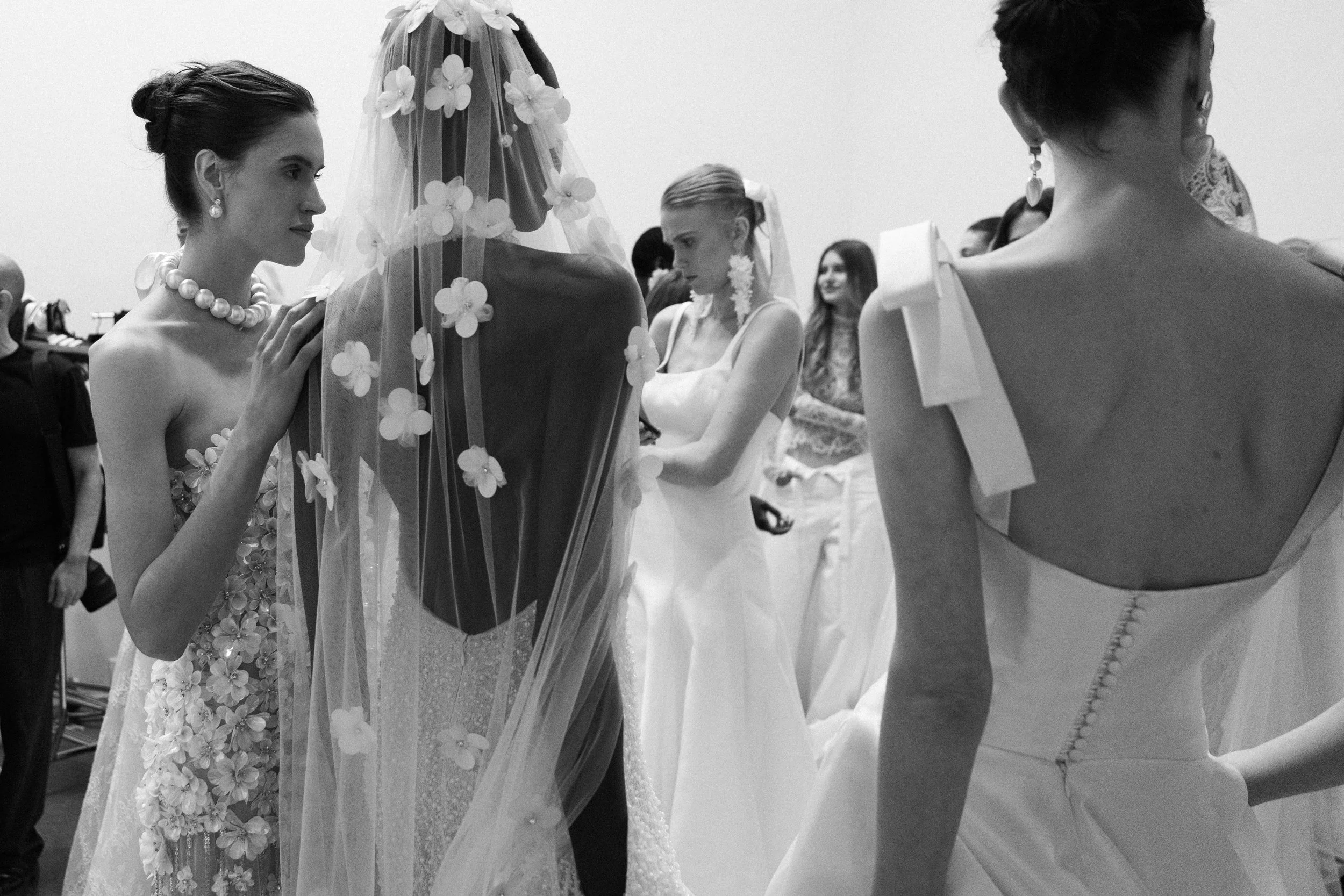
Image by Lihi Hod
What Bridal Brands Should Take From This Shift
The lesson from Google’s AI search direction is not that bridal brands should hand the entire customer journey over to technology.
The lesson is that brands need to become easier to understand.
If AI tools are going to summarize, recommend, and compare businesses, then boutiques and designers need to make sure their digital presence reflects what is actually distinct about them.
That means moving beyond vague language like:
“We offer a curated selection of designer gowns.”
Every boutique says this. It does very little.
Instead, bridal brands need to communicate:
What designers do you carry?
What price ranges should brides expect?
What aesthetic perspective guides your curation?
What type of bride do you serve best?
What should someone know before booking?
What makes your appointment experience different?
What expertise does your team bring?
What do you believe about bridal style?
This kind of clarity helps AI systems understand you. More importantly, it helps brides understand whether you are the right fit before they take up space on your appointment calendar.
Specificity is not just an SEO advantage. It is a qualification tool.
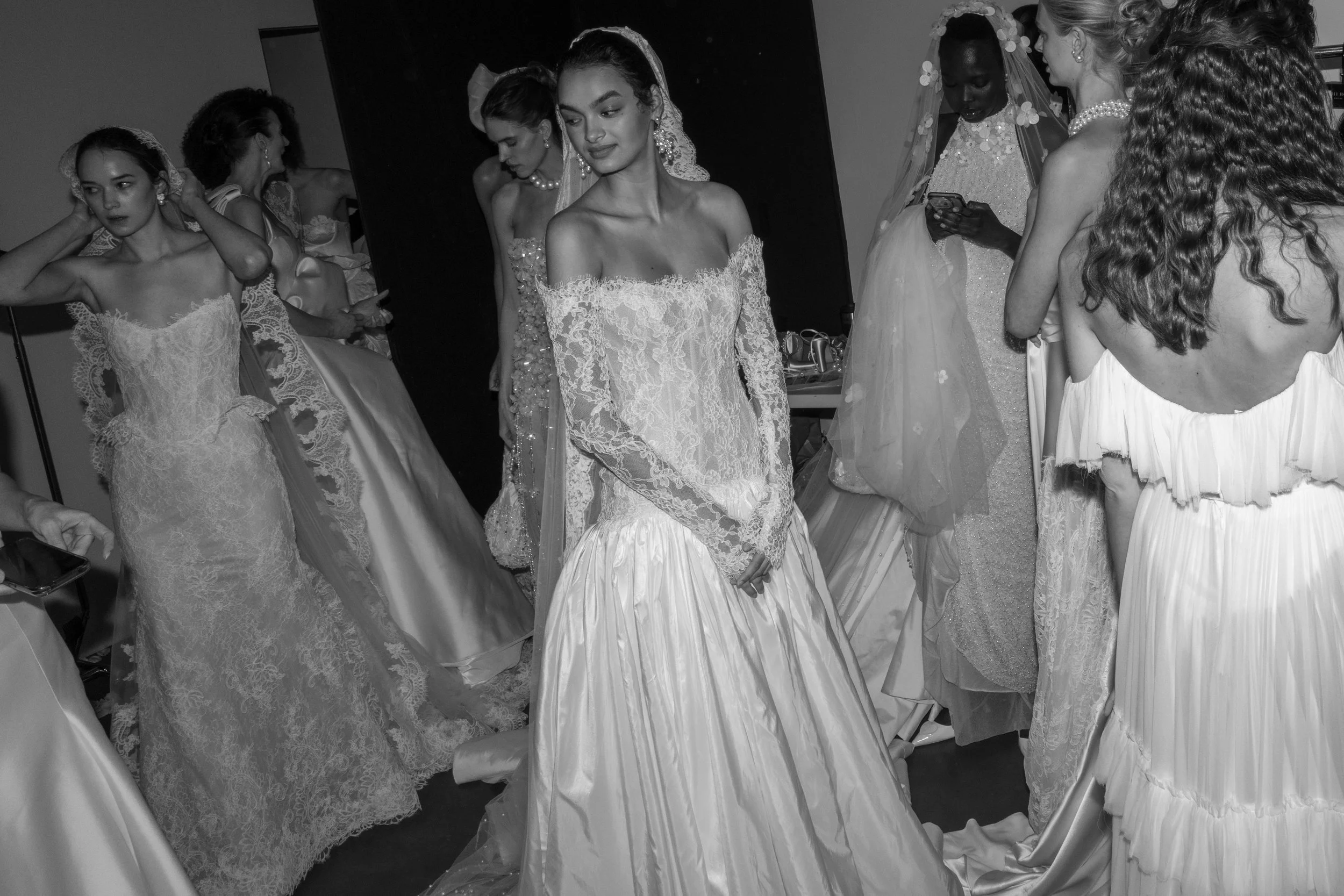
Image by Lihi Hod
Bridal Search Should Be More Human
The irony of this new AI search era is that the more technology accelerates discovery, the more valuable human guidance becomes.
Bridal brands should use AI where it helps: to educate, organize, clarify, and reduce mismatched inquiries. AI can help brides ask better questions. It can help boutiques explain their value more clearly. It can help designers become more discoverable to the right audience.
But AI should not replace the human work at the center of bridal.
The stylist still matters.
The boutique still matters.
The designer’s eye still matters.
The appointment still matters.
The bride’s own embodied response still matters.
The goal should not be to help brides shop endlessly.
It should be to help them choose more wisely.
That is the real opportunity in the AI search era.
Not to make bridal shopping faster for the sake of speed, but to make it clearer, more respectful, more informed, and more intentional.
Because bridal does not need to become frictionless. It needs to become more meaningful.