
Brides May Be Spending More Across More wedding Looks
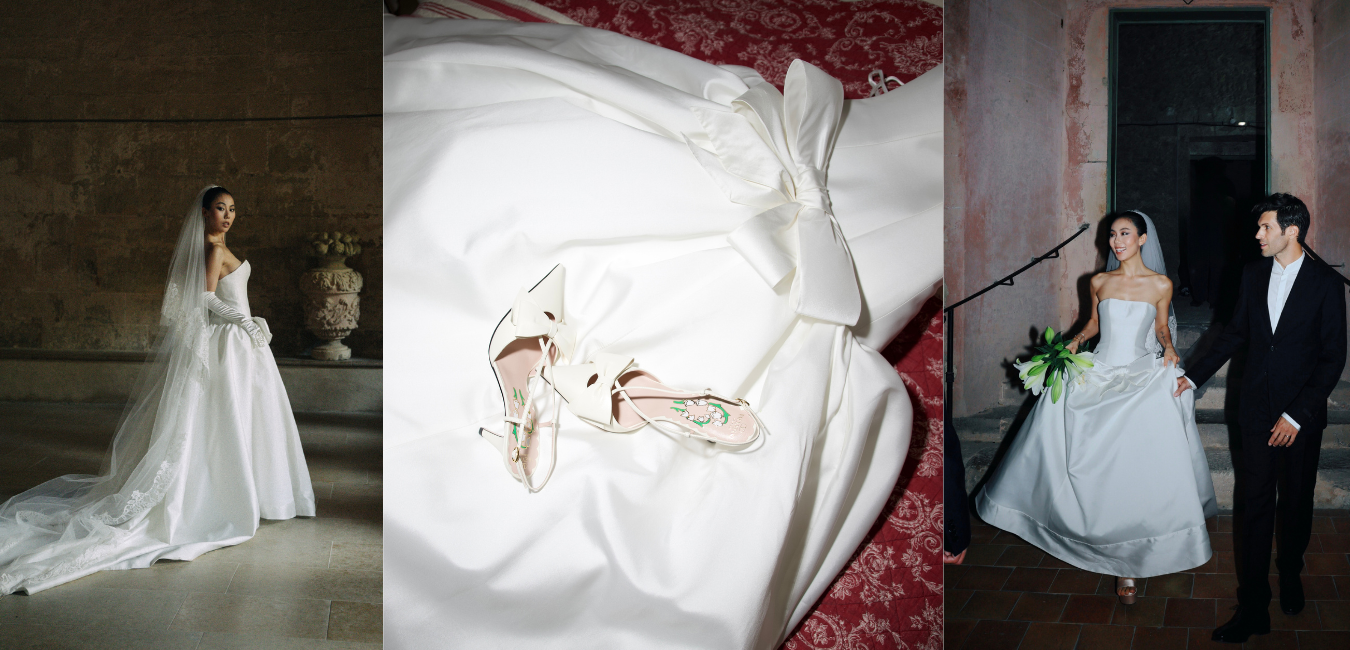
In Part One of this series, I looked at why slower bridal sales do not necessarily point to a simple decline in demand. A Google Deep Research report I ran across eight major bridal markets showed something more nuanced: luxury bridal is restructuring.
One of the clearest shifts is happening inside the bridal fashion budget itself.
The wedding gown still matters enormously. But it is increasingly competing for budget with a much larger wedding wardrobe: civil ceremony looks, welcome-party dresses, reception changes, after-party pieces, and destination-weekend fashion.
A bride may spend less on one gown while spending more across the wedding.
That distinction matters for both designers and retailers.
1. The gown budget is becoming a wardrobe budget
Multi-event weddings have created more fashion moments—and more places for the bridal budget to go.
For a boutique focused primarily on the ceremony gown, a bride may appear more price-conscious. But viewed across the entire wedding, her fashion spending may be just as strong or even higher.
The question is no longer simply whether she can afford a $7,000 gown.
It is how much of her total wedding-fashion budget she wants to allocate to that gown.
This helps explain an apparent contradiction in the market: healthy wedding spending alongside greater resistance at individual gown price points.
Price sensitivity does not always mean lower spending. Sometimes it means the budget has been redistributed.
2. The second look is becoming a real category
The reception dress, after-party look, and other wedding-event pieces can no longer be treated as peripheral.
For designers, this creates an opportunity to think beyond competing for the entire ceremony-gown budget.
Short dresses, separates, lighter gowns, corsets, tailoring, and more fashion-forward pieces can extend the brand across the wedding wardrobe.
For boutiques, the opportunity is similar.
Instead of viewing the appointment exclusively through the question of whether the bride purchased the gown, there may be value in understanding the full set of fashion needs surrounding the wedding.
What is she wearing to the welcome party? Is she changing for the reception? Does she need something for a civil ceremony?
Those purchases are already happening.
The question is whether bridal businesses are capturing them.
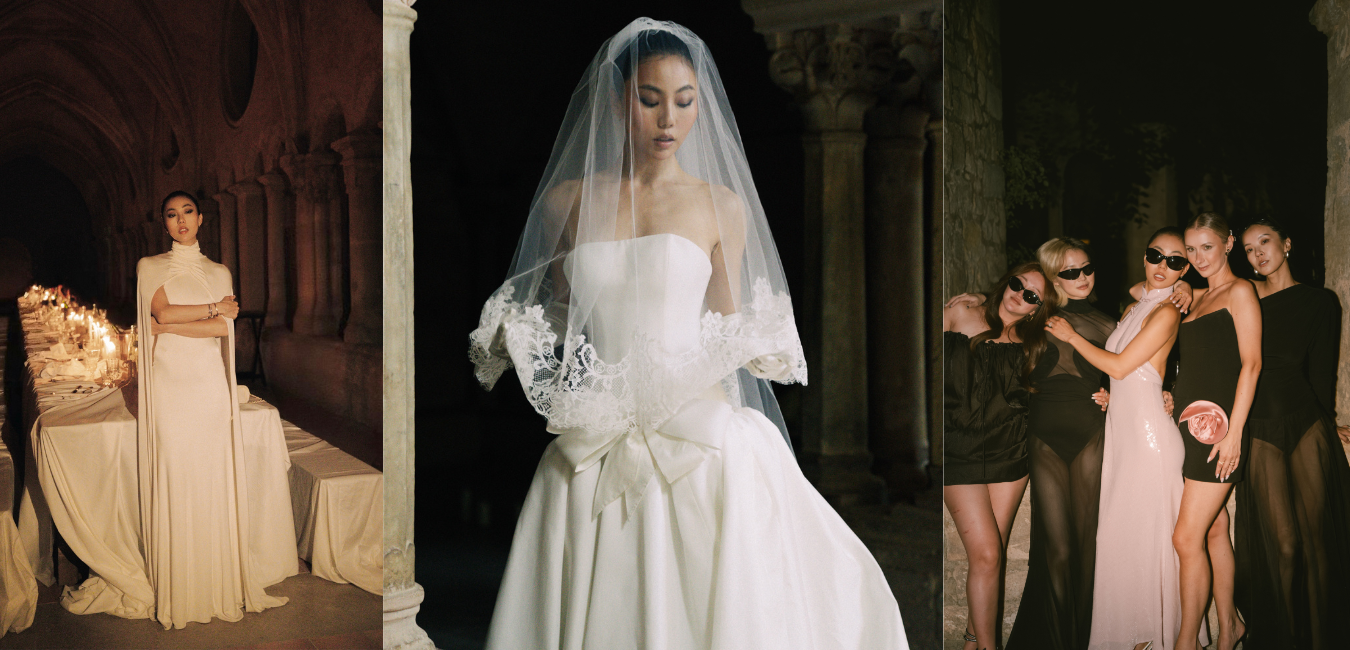
Lihi Hod Bride @gxiayan
3. Rental and resale are changing the calculation
Rental and resale add another variable to how brides allocate their budgets.
A bride may buy the ceremony gown but rent an after-party look. She may spend more on a reception dress and less elsewhere.
She may also consider resale value when deciding whether a higher-priced gown feels worth the investment.
In markets such as Japan, South Korea, and Singapore, rental is not an emerging alternative at all. It is already embedded in the bridal model.
That is an important distinction because it reminds us that luxury does not have to be defined exclusively by ownership.
Access, service, styling, rarity, convenience, and experience can all carry value.
4. The opportunity is bigger than selling more dresses
The obvious reaction to multiple bridal looks would be to simply create more product.
I think the more useful opportunity is to rethink how collections are merchandised around the wedding itself.
Which pieces naturally work for a ceremony, reception, civil wedding, or after-party?
Can an overskirt, corset, jacket, detachable train, or separate create a second moment without requiring an entirely different gown?
Can retailers merchandise looks together rather than presenting every piece as an isolated purchase?
The goal is not more product for the sake of more product.
It is aligning the assortment with how brides are actually spending.
5. Look beyond the headline sales number
If ceremony-gown sell-through is slowing, brands should look deeper before assuming the market has rejected the price point or collection.
Are shorter styles growing?
Are brides buying multiple lower-priced pieces instead of one higher-priced gown?
Are retailers asking for more versatile products?
Are certain gowns being bought increasingly as reception looks rather than ceremony gowns?
Is the brand heavily concentrated around one moment of the wedding while consumer spending has expanded into several?
A top-line sales number will not necessarily reveal those shifts.
A market can remain valuable while the composition of that value changes.
6. Marketing should reflect the whole wedding
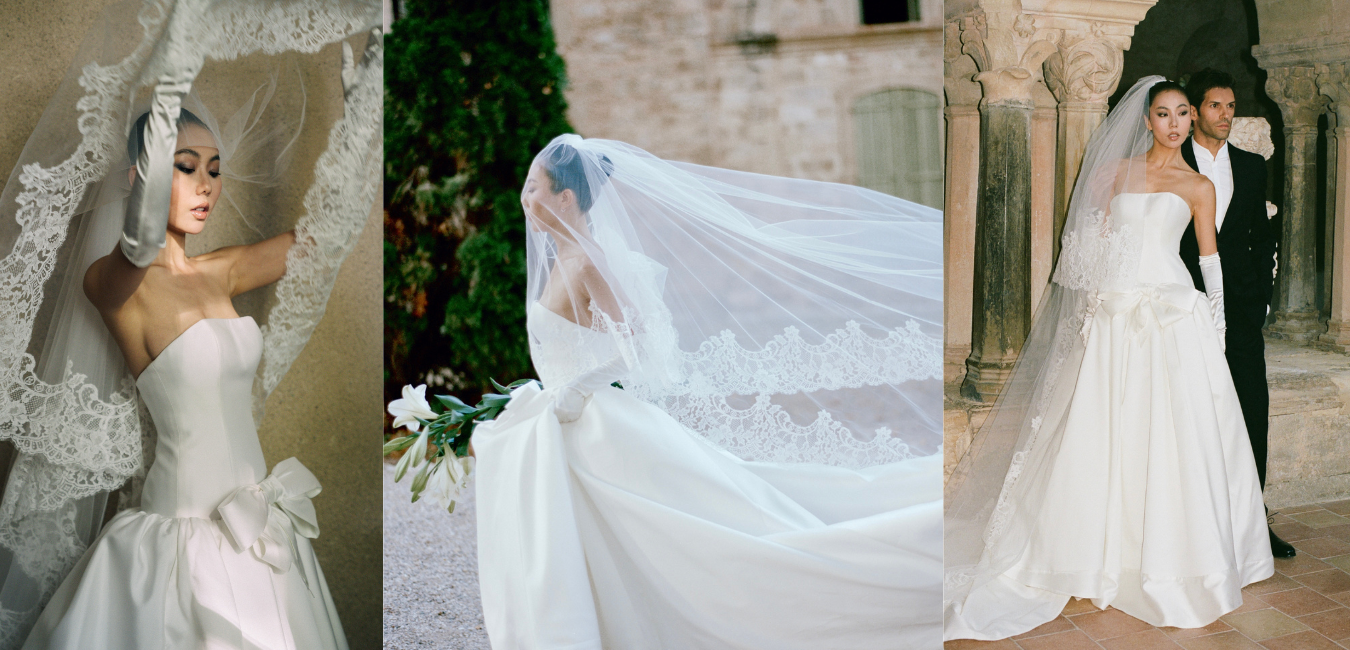
Lihi Hod Bride @gxiayan
If the product opportunity is expanding, the marketing should too.
Bridal imagery still understandably revolves around the ceremony gown, but brands have more opportunities to show where they fit throughout the wedding.
The courthouse. The welcome dinner. The dress change. The after-party. The destination weekend.
This is not simply about producing more lifestyle content. It is about making the brand relevant to more of the bride's purchasing decisions.
A bride may discover a designer through a reception dress and later consider the collection for her ceremony gown—or the reverse.
The bigger opportunity
None of this means the ceremony gown is becoming less important.
It does mean that evaluating the bridal customer solely through the amount she spends on that one purchase is increasingly incomplete.
The bride may not be spending less.
She may simply have more places to spend.
For designers and retailers, that changes the strategic question from: How do we sell her a gown?
to: How much of her wedding wardrobe can our brand credibly own?
That is where the opportunity gets more interesting.
Next in the series:
The Bridal Market Is Global. The Buying Model Is Not.
In Part Three, we will look at why international expansion is not simply about reaching more brides—and how venue systems, rental salons, and local distribution models determine whether luxury demand is actually accessible to a brand.