
Photo: Lee Petra Grebenau
Some luxury bridal designers are reconsidering what a collection launch can accomplish. Through retreats, dinners, boutique openings, and unconventional presentations, they are creating opportunities to communicate identity, deepen relationships, and give a collection a longer life beyond its initial unveiling.
The collection remains the product, but the experience surrounding it becomes part of the marketing.
This is not new in bridal, however, what makes the recent examples interesting is the range of approaches and the different purposes they appear to serve. KYHA, Lee Petra Grebenau, and Lihi Hod each offered a distinct way to encounter their work. Together, they provide an opportunity to consider what these experiences might contribute to brand and sales.
Three designers, three approaches
Photos: KYHA
KYHA: The collection as a world to enter
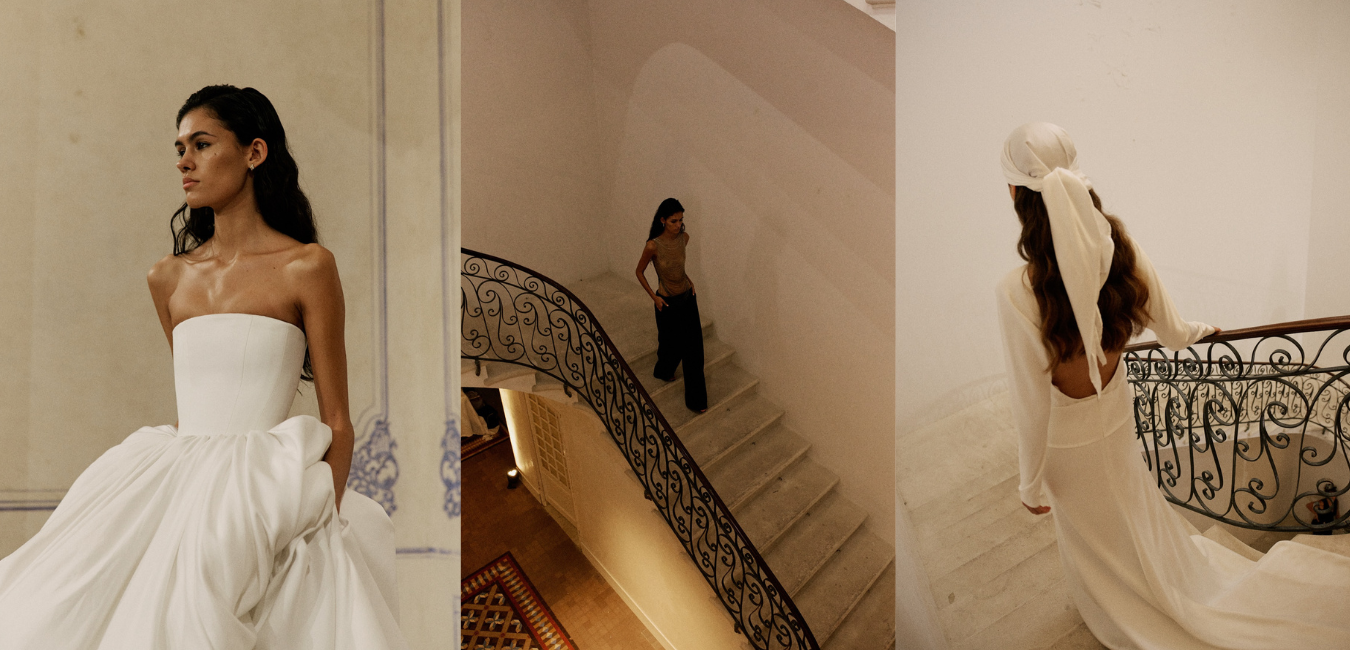
Before its New York presentations, KYHA hosted selected guests in Menorca to introduce Josephine, its Fall 2027 collection. The experience included island excursions, dinner, conversations with founder Kyha Scott, and a runway presentation.
The sequence was central to the experience. Guests encountered the setting and heard the designer’s thinking before seeing the garments. The Bridal Journey’s firsthand account describes this progression, while disclosing that the publication attended as a guest of the brand.
From a marketing perspective, the approach gave guests a framework for interpreting the collection. There was more to communicate than the appearance of individual gowns: a place, a mood, and an understanding of the creative references behind them.
That narrative also traveled into retail. Newcastle boutique Marrime referenced the Menorca debut when promoting its subsequent Josephine trunk show. This shows how a launch story can continue into consumer communications, although it does not establish an effect on sales.
Pictures: Lee Petra Grebenau
Lee Petra Grebenau: The collection as a personal conversation
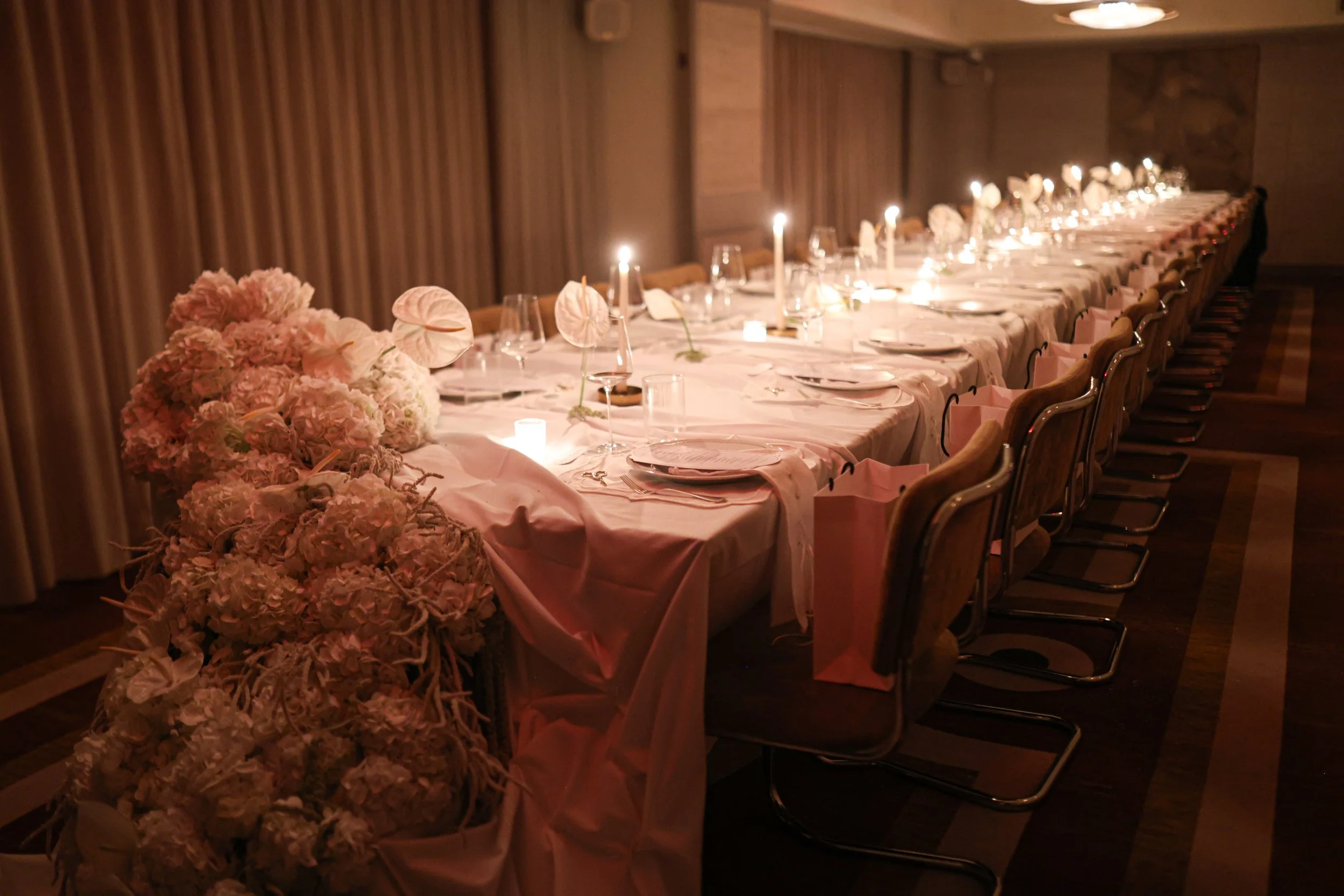
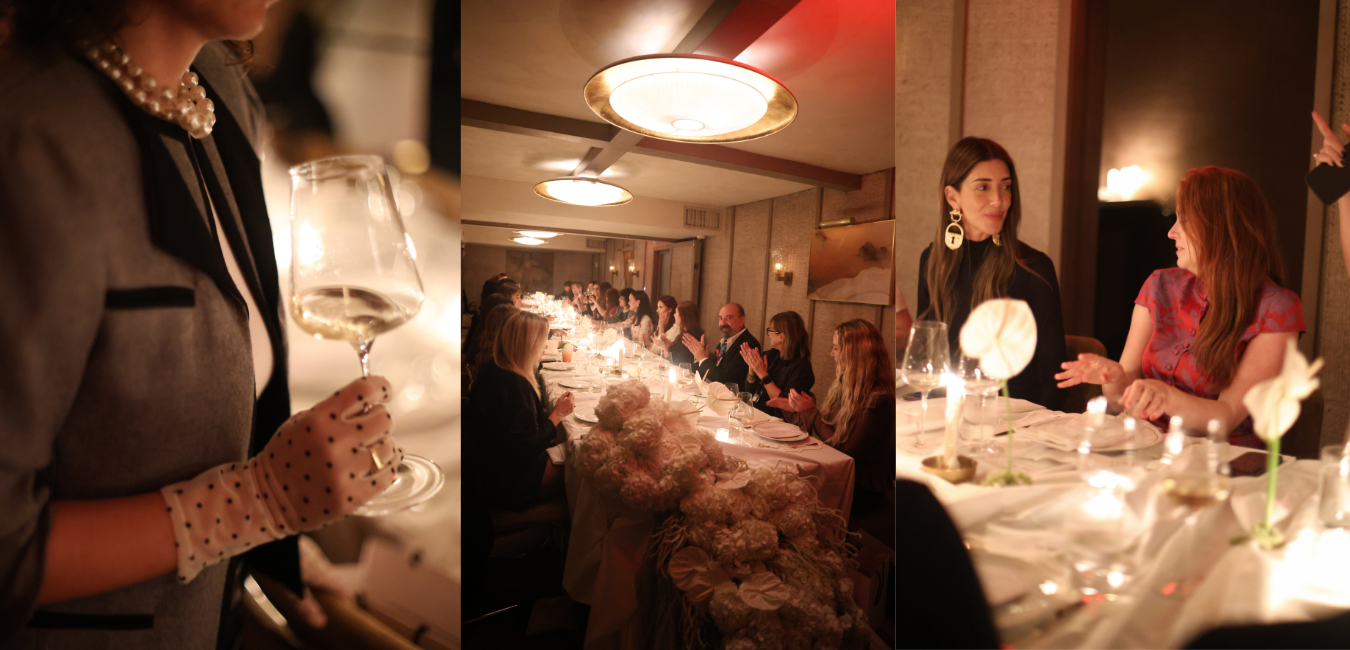
Lee Petra Grebenau introduced Rêverie, her Fall/Winter 2027 collection, through an intimate gathering at New York’s Crane Club. Before editors, stylists, fashion executives, and friends of the house, she spoke about her late mother, to whom the collection was dedicated.
The dinner placed the person and personal history behind the work at the center of the encounter. It offered time to hear the designer speak and to understand the collection through that connection.
In a business shaped by relationships, such exchanges may help people remember and communicate a designer’s work with greater depth. While any longer-term business impact remains to be seen, the gathering offered something meaningful in itself: time with the designer and a more personal understanding of the work she was sharing.
Photos: Lihi Hod
Lihi Hod: The collection as an introduction to a permanent retail world
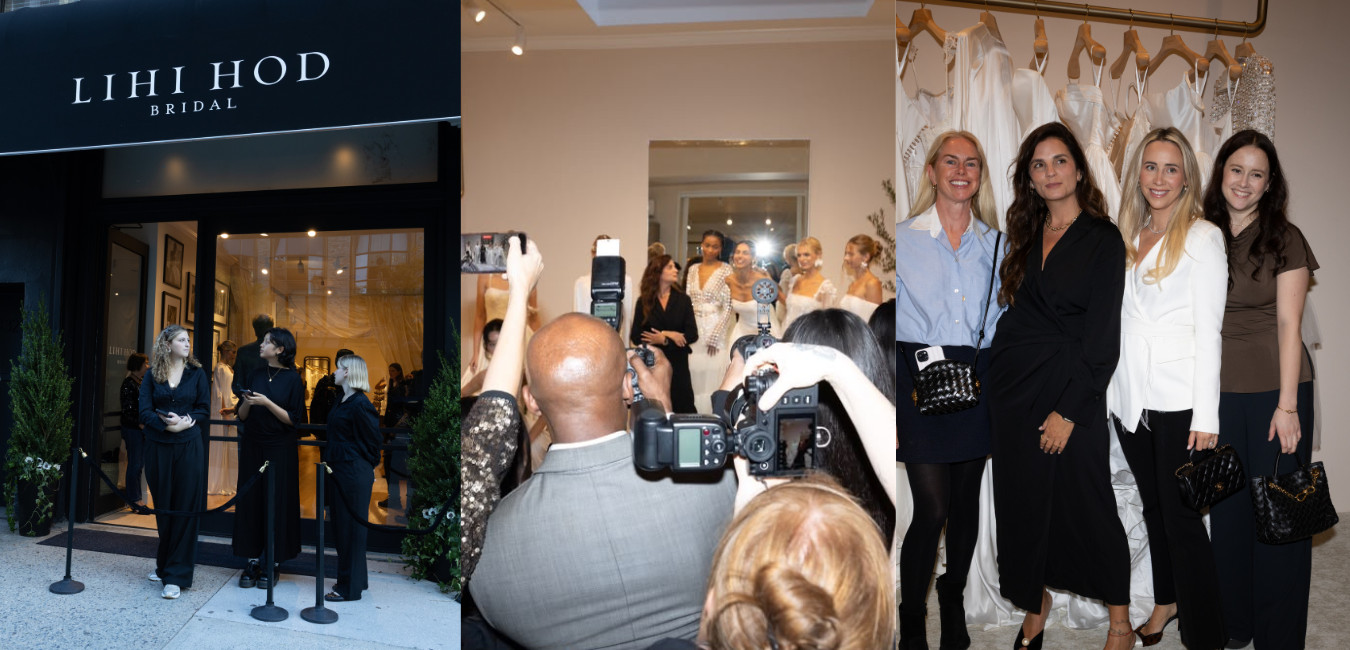
Lihi Hod linked the opening of her first U.S. flagship in Chelsea with a presentation of her new collection. Models and guests mingled throughout the boutique, making the space itself part of the experience.
The format brought together collection presentation, brand positioning, press relations, and the introduction of a retail destination. Unlike a temporary fashion week venue, the flagship remains after the event. Store imagery and opening coverage can continue supporting awareness and appointments.
The ongoing commitment is equally tangible. A permanent space carries operating costs and requires sustained demand. The opening creates an opportunity but the business must continue developing it.
Familiar formats, broader possibilities
Experiential presentations have precedents in bridal. In October 2018, Lela Rose unveiled her Fall 2019 collection in a garden setting with cocktails, cake, and live music. The CFDA described interactive presentations as an established preference of the designer.
It would therefore be premature to announce an entirely new era, or suggest that bridal is moving collectively away from the runway.
What these recent examples invite us to examine is the integration of presentation with broader marketing purposes: helping guests understand a creative story, strengthening personal relationships, generating varied editorial material, or introducing a place where the brand can be experienced year-round. A launch can serve several of these purposes.
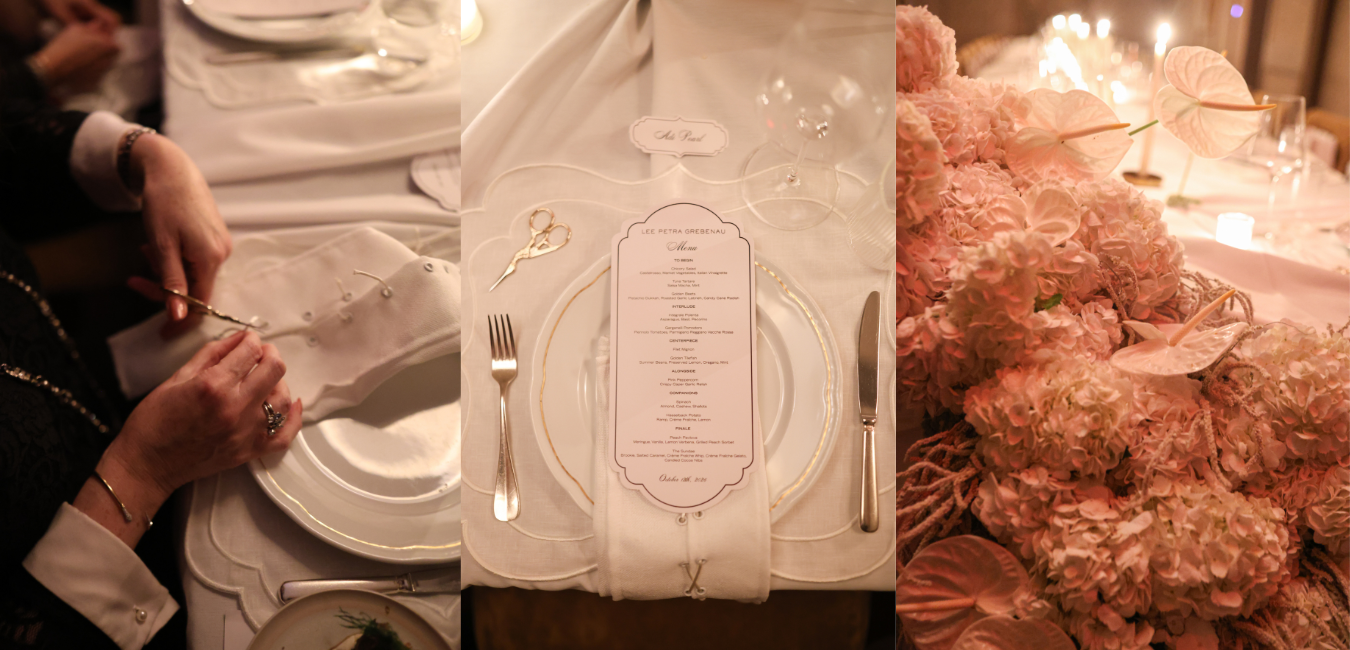
Photos: Lee Petra Grebenau
The potential value extends beyond the occasion
A smaller gathering can create room for conversations that a tightly scheduled presentation cannot. A designer has more time to explain the work. Editors can explore a story beyond seasonal trends. Where retailers participate, they may leave with a richer understanding to share with their teams and customers.
There is also the possibility of a longer marketing life. An experience can generate material for collection pages, retailer communications, trunk show promotions, and ongoing social content.
This matters because digital access has made collection imagery readily available. Seeing the gowns and understanding the house are different levels of engagement. Time with a designer, exposure to the creative process, or an encounter with a distinctive space can add context that photographs alone may not convey.
That is one reason these approaches are worth exploring. Their potential lies in giving people something meaningful to carry forward after the presentation.
The limitations deserve attention
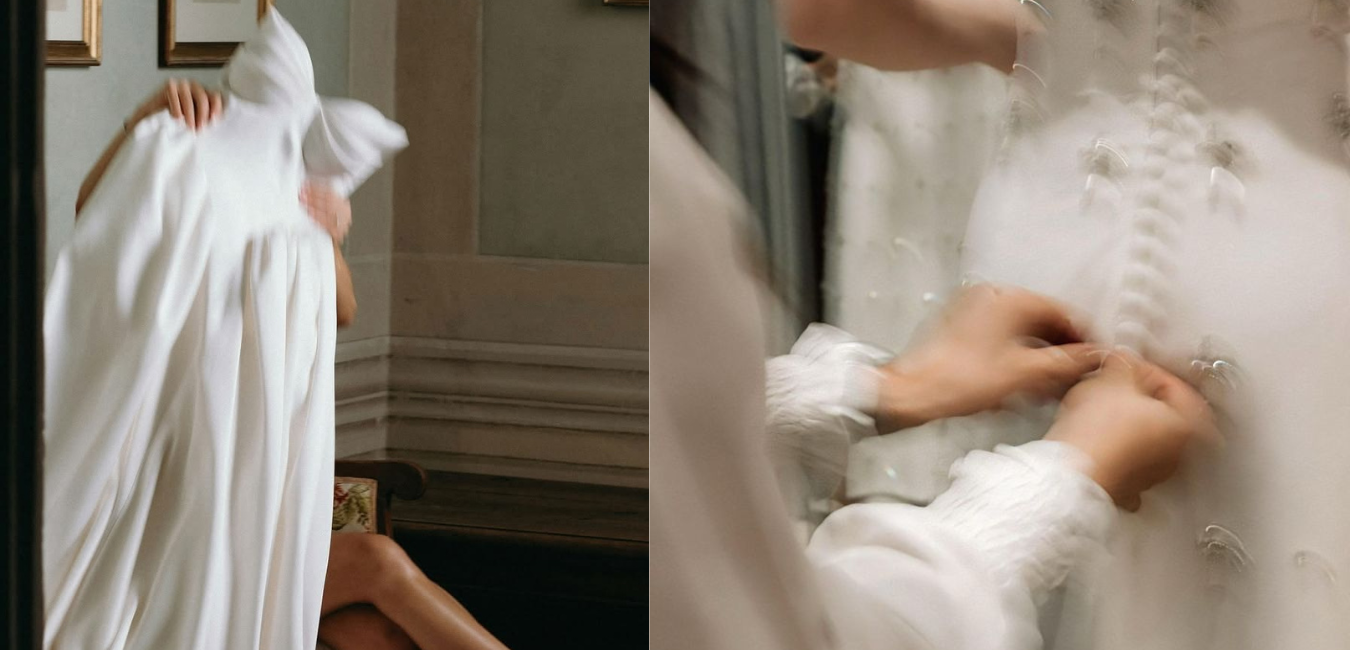
Intimacy limits reach. A gathering of existing supporters may deepen relationships without introducing the brand to prospective partners. A destination retreat entails travel, hospitality, and production costs. Hosted attendance can generate coverage, but enthusiasm does not prove commercial effectiveness.
The available accounts do not provide comparable budgets, wholesale results, or appointment and sales data. We cannot conclude that these formats deliver a better return than traditional presentations.
Opportunity cost matters, too. Resources committed to an event are unavailable for other priorities, including retailer development, advertising, and client service.
There is also a question of distinction. As atmospheric dinners and exclusive retreats become familiar, the format itself may offer less differentiation. The experience needs a meaningful connection to the house. Otherwise, the setting risks becoming more memorable than the collection.
These examples are an expanded view of what Bridal Fashion Week can accomplish. KYHA offered creative immersion; Lee Petra Grebenau brought personal history into the encounter; Lihi Hod connected the presentation to a lasting retail presence.
Each approach is worth considering on its own terms. Their promise lies in the possibility of turning a brief introduction into a deeper understanding, a continuing relationship, or a reason to seek out the brand afterward. Whether that promise becomes durable commercial value remains the more interesting story to follow.